You’ve been told you have a heart murmur, and now you’re exhausted more often than usual. Is that a coincidence, or is your heart trying to tell you something? The short answer: yes, a heart murmur can cause fatigue, but only under certain conditions. Whether that fatigue is something to brush off or something that needs immediate medical attention depends entirely on what’s causing the murmur in the first place.
You will get to know exactly how a heart murmur can lead to tiredness, which murmurs are harmless, which ones signal a bigger problem, and how our cardiology team at Atlantic Cardiovascular helps patients get clear, accurate answers.
What Is a Heart Murmur?
A heart murmur is not a disease by itself; it’s a sound. Specifically, it’s an extra whooshing, swishing, or rasping noise that occurs between or during your normal heartbeat sounds (the familiar “lub-dub”). This sound is created by turbulent blood flow moving through the chambers, valves, or major vessels of your heart.
Your cardiologist typically picks up a murmur using a stethoscope during a routine physical exam. From there, murmurs are generally sorted into two broad categories:
| Type | What It Means | Typical Cause |
| Innocent (Functional) Murmur | Harmless sound with no underlying structural problem | Fast blood flow from fever, pregnancy, anemia, exercise, or growth spurts in children |
| Abnormal (Pathological) Murmur | Sound linked to a structural or valve-related issue | Valve stenosis, valve regurgitation, congenital heart defects, or infection |
Murmurs are also graded on a scale of 1 to 6 based on loudness, and described by timing (systolic vs. diastolic), which helps your cardiologist judge how likely it is to be connected to a real structural issue.
Why Can a Heart Murmur Cause Fatigue?
Fatigue tied to a heart murmur almost always traces back to one thing: reduced cardiac output. That’s the amount of blood your heart pumps out to the rest of your body each minute. When a structural problem is behind the murmur, your heart has to work harder or less efficiently to move blood where it needs to go.
Here’s how that plays out mechanically, depending on the underlying issue:
- Valve narrowing (stenosis): In conditions like aortic stenosis, the heart must push blood through a narrowed opening. Over time, this forces the heart muscle to thicken, which eventually reduces its pumping efficiency.
- Valve leakage (regurgitation): When a valve doesn’t close properly, blood leaks backward instead of moving forward efficiently, so less oxygen-rich blood reaches your muscles and organs on each beat.
- Reduced oxygen delivery: With less blood circulating effectively, your muscles and organs receive less oxygen than they need, which your body registers as persistent tiredness even after rest.
- Compensatory strain: Your heart may beat faster or work harder to compensate for inefficiency, which burns more energy and can leave you feeling drained after minimal activity.
This is why fatigue from a pathological murmur tends to be gradual rather than sudden. Many patients describe it as needing more rest than usual, feeling winded doing things that used to be easy, or losing stamina during exercise over a period of weeks or months.
Can an Innocent Heart Murmur Cause Fatigue?
Generally, no, an innocent heart murmur, on its own, does not cause fatigue. Because there’s no structural abnormality involved, your heart’s pumping efficiency isn’t affected, and blood flow to your body remains normal.
That said, the situation can get confusing because innocent murmurs are often triggered by conditions that cause fatigue for unrelated reasons. For example:
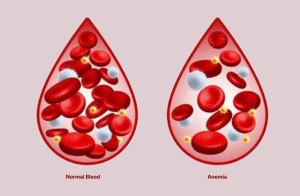
- Anemia can cause both an innocent murmur (from thinner, faster-moving blood) and fatigue (from reduced oxygen-carrying capacity), but the murmur itself isn’t what’s tiring you out.
- Pregnancy can produce a murmur due to increased blood volume, while fatigue in pregnancy stems from hormonal and metabolic changes.
- An overactive thyroid (hyperthyroidism) can cause a murmur alongside fatigue, rapid heartbeat, and weight changes again, two separate effects of one underlying condition.
Which Symptoms Often Occur With a Heart Murmur?
Many people with a heart murmur have no symptoms at all — the murmur is only discovered during a routine checkup. But when an abnormal murmur does produce symptoms, they tend to cluster together. Recognizing the pattern matters more than any single symptom on its own.
Common Accompanying Symptoms
- Fatigue or unusual tiredness, especially after light activity
- Shortness of breath during exertion or while lying flat
- Chest pain, tightness, or discomfort
- Heart palpitations or a fluttering sensation
- Dizziness or lightheadedness
- Swelling in the legs, ankles, or feet
- A bluish tint to the skin or lips (cyanosis)
- Fainting or near-fainting episodes (syncope)
- A persistent cough, particularly one that worsens when lying down
Symptom Clusters and What They May Suggest
| Symptom Pattern | Possible Underlying Concern |
| Fatigue + shortness of breath + leg swelling | Heart failure related to valve disease |
| Fatigue + fever + chills | Infective endocarditis (heart valve infection) |
| Fatigue + palpitations + weight changes | Thyroid-related heart strain |
| Fatigue + fainting + chest tightness | Significant valve stenosis |
If you notice more than one of these symptoms occurring together, not just occasionally, but as a pattern over days or weeks, that combination is far more meaningful than fatigue alone.
Can a Heart Murmur Be a Sign of Heart Disease?
Yes. While the majority of heart murmurs are innocent, an abnormal murmur can be one of the earliest detectable clues that heart disease is present, sometimes before a person notices any symptoms at all. Conditions commonly linked to abnormal murmurs include:
- Valvular heart disease: Stenosis or regurgitation affecting the aortic, mitral, tricuspid, or pulmonary valve.
- Congenital heart defects: Structural issues present from birth, such as a septal defect (a hole between heart chambers).
- Hypertrophic cardiomyopathy: A thickened heart muscle that can obstruct blood flow and strain the heart.
- Infective endocarditis: A bacterial infection of the heart valves, often accompanied by fever and chills.
- Rheumatic heart disease: Valve damage resulting from untreated or repeated rheumatic fever earlier in life.
Because murmurs caused by valvular heart disease often progress slowly, catching them early before fatigue turns into more serious limitations gives you far more treatment options and a better long-term outlook.
When Is a Heart Murmur Considered Serious?
Not every murmur needs urgent attention, but certain features and symptoms should prompt a same-week (or sooner) visit to a cardiologist. Consider a murmur potentially serious if it’s paired with any of the following:
- Fatigue that is new, worsening, or interfering with daily activities
- Shortness of breath at rest or waking up gasping for air
- Chest pain, especially during physical activity
- Fainting spells or episodes of severe dizziness
- Rapid or irregular heartbeat that doesn’t settle
- Swelling in the legs or abdomen that develops over days
- A murmur that is graded as loud (typically grade 4 or higher) on examination
- Any murmur discovered for the first time in an adult with no childhood history of one
Age also matters here. A murmur that’s been present and stable since childhood is generally lower risk, while a new murmur appearing later in life, particularly after age 50, is more likely to reflect valve wear, calcification, or another acquired condition that warrants a closer look.
How Is a Heart Murmur Diagnosed?
Diagnosing a heart murmur is a step-by-step process that starts simple and becomes more detailed only if needed. Here’s what that typically looks like at Atlantic Cardiovascular:
1. Physical Examination and Auscultation
Your cardiologist listens to your heart with a stethoscope, noting the murmur’s timing, location, loudness, and how it changes with position or breathing. This alone often narrows down whether the murmur is likely innocent or needs further testing.
2. Echocardiogram
An echocardiogram is the gold-standard test for evaluating a murmur. This non-invasive ultrasound creates real-time images of your heart’s valves, chambers, and blood flow, allowing your cardiologist to pinpoint exactly what’s causing the sound and how significant it is.
3. Stress Testing
If fatigue or shortness of breath shows up mainly during exertion, a heart stress test helps assess how your heart performs under physical demand, which is often where subtle valve problems become more apparent.
4. Additional Diagnostic Tools
- Electrocardiogram (EKG) to check for rhythm abnormalities or heart strain
- Chest X-ray to evaluate heart size and lung condition
- Blood tests to rule out anemia, thyroid dysfunction, or infection
- Holter monitoring if symptoms occur alongside palpitations or irregular rhythms
Together, these tests give your cardiologist a complete picture, distinguishing a harmless murmur from one that needs ongoing monitoring or active treatment.
When Should You See a Cardiologist?
You don’t need to wait for a crisis to get a murmur checked out. Schedule an evaluation if:
- You’ve been told you have a heart murmur for the first time as an adult
- Fatigue, breathlessness, or chest discomfort has developed alongside a known murmur
- Your primary care provider hears a murmur graded as loud or unusual
- You have a family history of valve disease, congenital heart defects, or sudden cardiac events
- You’re planning a pregnancy or surgery and want cardiac clearance beforehand
Our team offers focused, evidence-based heart murmur treatment that starts with an accurate diagnosis and moves toward a personalized care plan, whether that means simple monitoring or a more active treatment approach.
Final Thoughts
A heart murmur causing fatigue is your body’s way of flagging that something deserves a closer look; it isn’t something to self-diagnose or wait out. Most murmurs are harmless, but the only way to know for certain whether yours is innocent or a sign of something more serious is through a proper cardiac evaluation.
If you’ve noticed unusual tiredness alongside a known or newly discovered heart murmur, don’t leave it to guesswork. The team at Atlantic Cardiovascular offers comprehensive, compassionate cardiac diagnostics across Brooklyn, Jamaica, and Jackson Heights to help you get clear answers and a heart-healthy path forward.
FAQs
Q1. Is it normal to feel tired all the time with a heart murmur?
It’s not considered “normal,” but it is a recognized possibility if the murmur stems from a structural valve issue. Persistent tiredness alongside a murmur should always be evaluated rather than dismissed as ordinary tiredness.
Q2. Can stress or anxiety make a heart murmur feel worse?
Stress and anxiety can increase heart rate and the force of contractions, which may make an existing murmur sound louder or more noticeable during an exam, even though the underlying structural cause hasn’t changed.
Q3. Do heart murmurs go away on their own?
Innocent murmurs in children often fade as the heart matures and can disappear entirely by adulthood. Murmurs caused by a structural issue typically don’t resolve without treatment, though some remain stable for years with monitoring alone.
Q4.Can exercise make heart murmur fatigue better or worse?
It depends on the cause. For innocent murmurs, exercise is generally safe and beneficial. For murmurs linked to significant valve disease, your cardiologist may recommend specific activity guidelines, since certain types of exertion can worsen symptoms.
Q5. How often should a heart murmur be monitored?
This varies by cause and severity. Innocent murmurs may need no follow-up at all, while murmurs linked to mild valve disease are often reassessed with an echocardiogram every one to three years, and more frequently if symptoms are present or worsening.
Q6. Can children with a heart murmur play sports?
Most children with an innocent murmur can participate in sports without restriction. If a murmur is found to be structural, a cardiologist will typically evaluate the specific condition before clearing the child for competitive or high-intensity activity.