Yes. Caffeine can make your heart race, flutter, or skip a beat, and energy drinks tend to hit harder, since a single can may hold 200 to 300 mg of caffeine plus other stimulants. Most caffeine palpitations are harmless and fade within hours. Chest pain, fainting, or trouble breathing alongside them is a different story.
How does caffeine make your heart race?
Caffeine stimulates your nervous system, so your heart beats faster and harder, and you notice it. It blocks adenosine, a chemical that normally tells your body to wind down, and the result feels a lot like a mild adrenaline surge.
Timing is a useful clue. Caffeine peaks in your blood within about an hour and can stay for four to six hours. Its half-life is roughly five hours, so a 300 mg can at 2 p.m. still leaves around 90 mg circulating at 11 p.m. That is why a late-afternoon drink can mean a fluttery night.
Two people can drink the same coffee and feel completely different. Genetics, body size, poor sleep, anxiety, an overactive thyroid, and medicines such as decongestants, asthma inhalers, and ADHD stimulants all change how hard caffeine lands.
Are energy drinks worse for palpitations than coffee?
Often, yes. The dose is bigger, and the drink isn’t just caffeine. The FDA says up to 400 mg a day is not generally associated with dangerous effects in healthy adults. Here is how common drinks compare, using label values:
| Drink | Size | Caffeine |
|---|---|---|
| Brewed coffee | 8 oz | about 95 mg |
| Red Bull | 8.4 oz | 80 mg |
| Monster Original | 16 oz | 160 mg |
| Celsius Original | 12 oz | 200 mg |
| Bang or Reign | 16 oz | 300 mg |
A single Bang or Reign uses 75% of that daily limit before you’ve had a coffee.
The research points the same way. In a randomized trial, volunteers who drank a high-volume energy drink had a longer QTc interval (the time your heart takes to electrically reset between beats) at the two-hour mark, and higher systolic blood pressure than those given the same amount of caffeine alone. In another trial, 34 healthy adults who drank 32 ounces within an hour showed a slightly lengthened QT interval that lasted four hours. That change is small in healthy people. It matters more if you have long QT syndrome or high blood pressure, or take medicines that affect heart rhythm.
An Australian emergency-department study found that more than a third of patients under 40 who came in with palpitations had recently had an energy drink. The same researchers saw a stronger effect when energy drinks were mixed with alcohol, so skip that combination.
What nobody can tell you yet is which ingredient is responsible. Caffeine, taurine, guarana, sugar, or simply chugging a cold 16 ounces in ten minutes could be the culprit.
Does new research say coffee is safe for your heart rhythm?
For most people, a daily coffee is not the problem it was long assumed to be. In late 2025, JAMA published the DECAF trial, the first randomized trial of coffee in people with atrial fibrillation (AFib). It followed 200 adults, average age 69, who were having a cardioversion to restore normal rhythm. Half kept drinking caffeinated coffee, about a cup a day. Half avoided all coffee and caffeine for six months. AFib or flutter returned in 47% of the coffee group and 64% of the abstainers.
Read that carefully before acting on it. DECAF tested ordinary coffee, not energy drinks or caffeine supplements, and its authors said the results don’t mean all caffeine is good for you. People whose AFib is clearly triggered by caffeine may also have stayed out of the trial.
The practical takeaway: you may not need to give up coffee, but a stack of energy drinks isn’t the same thing. If you already have AFib, the right answer depends on your rhythm history and your treatment, so check with the cardiologist managing your atrial fibrillation before changing anything on your own.
How can you tell if caffeine is the cause?
Look at the pattern. Caffeine palpitations usually start within an hour of the drink, feel like pounding, racing, or fluttering, and settle as the caffeine wears off. A skipped beat followed by a hard thump is common and often benign.
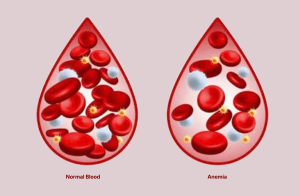
Keep a one-week log: what you drank, the time, and any episodes. If symptoms track with caffeine, you’ve likely found your trigger. If they show up on caffeine-free days, last longer than a few minutes, or are becoming more frequent, look elsewhere. Anemia, thyroid problems, dehydration, poor sleep, anxiety, and certain medications can all cause palpitations, and so can a true rhythm problem. When episodes keep coming without a clear trigger, it’s worth having your palpitations properly evaluated rather than guessing.
How can you cut back without feeling awful?
Go gradually. Dropping from three cans a day to none usually brings headaches and fatigue that push you right back. Try this instead:
- Set a ceiling of 400 mg across all sources, and count by can size. A bigger can means a bigger dose.
- Cut your total by about a quarter every few days.
- Stop caffeine by early afternoon, given the five-hour half-life.
- Don’t stack. An energy drink, a pre-workout powder, and a coffee add up fast, so check labels for guarana and other hidden caffeine.
- Never mix energy drinks with alcohol.
- Sip instead of chugging, and have it with food.
When should you see a cardiologist for palpitations?
Call 911 if palpitations come with chest pain or pressure, fainting, severe shortness of breath, or confusion.
Book an appointment soon if:
- Palpitations happen often or last more than a few minutes.
- They occur even when you haven’t had caffeine.
- You have heart disease, high blood pressure, or a family history of sudden cardiac death.
- You feel dizzy or lightheaded during episodes.
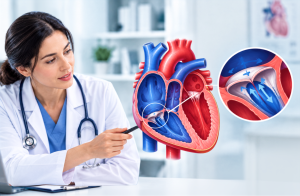
A cardiologist starts with an ECG and a conversation about your triggers. Because an ECG can look normal between episodes, you may be asked to wear a Holter monitor for 24 to 48 hours, which catches what a quick office test misses. If anything else looks off, an echocardiogram checks the heart’s structure and pumping strength.
The bottom line
Caffeine can cause palpitations, and energy drinks are the likelier trigger because of the dose, the extra stimulants, and how fast people drink them. Coffee in moderation looks far less worrying than the old advice suggested. Your own pattern matters most, so track it, trim it, and don’t ignore symptoms that don’t fit.
If your heart has been racing or fluttering and you can’t tell why, the cardiologists at Atlantic Cardiovascular can help you sort it out, with offices in Jamaica and Jackson Heights, NY. Bring your caffeine log when you book a visit.
Related reading on palpitations
- Palpitations With Normal ECG
- When to Worry About Heart Palpitations
- Heart Palpitations After Eating
- How to Stop Heart Palpitations
- How to Stop Hormonal Heart Palpitations
- Can Anemia Cause Heart Palpitations?
- Heart Palpitations During Pregnancy
Sources
This article is general information, not medical advice.