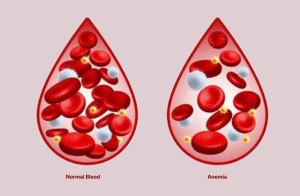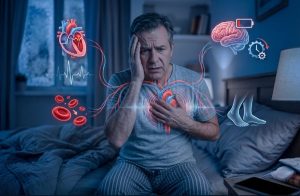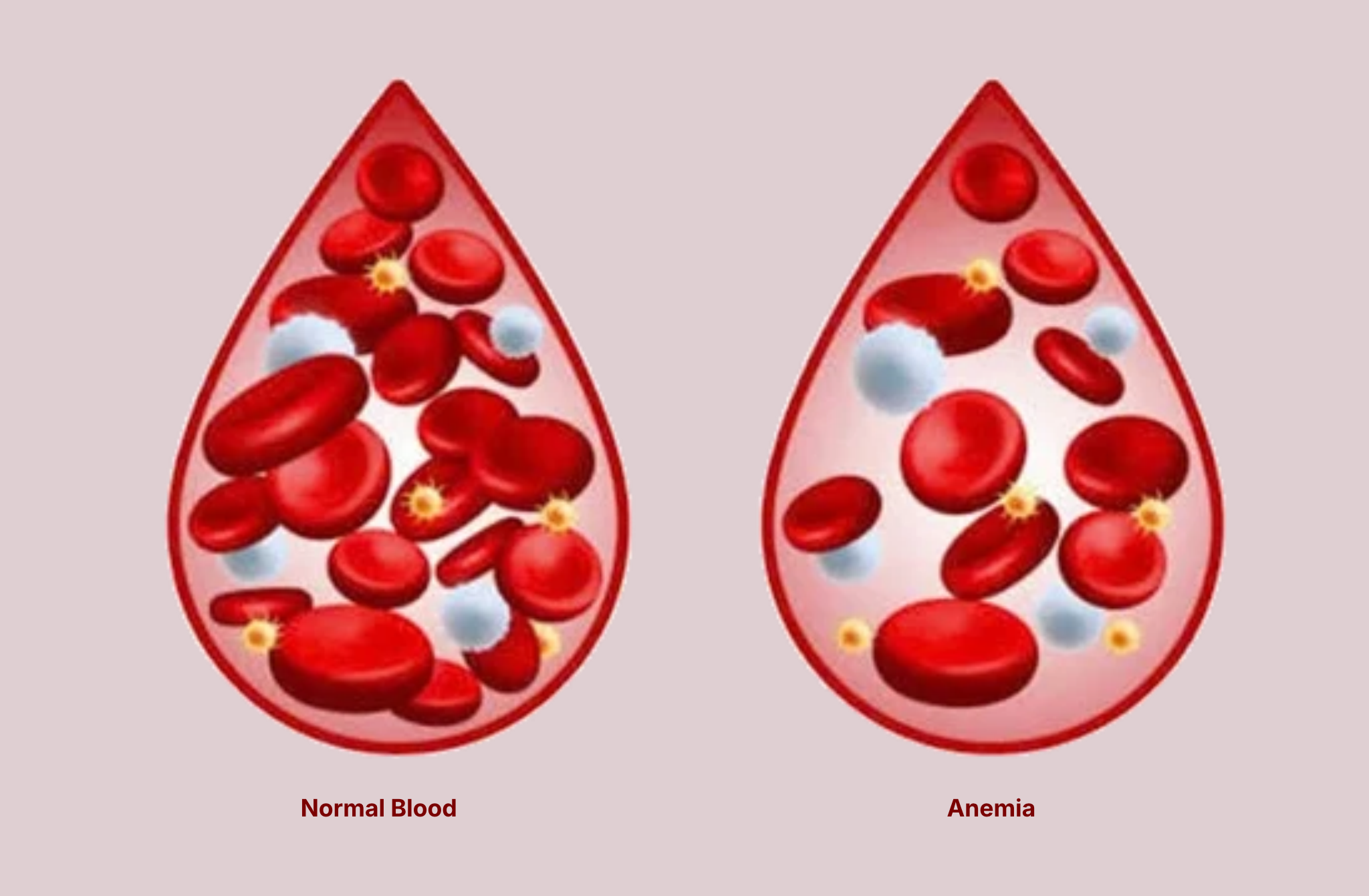
You’re resting on the couch and suddenly your heart flutters, thuds, or seems to race for no reason. If you’ve also been feeling unusually tired, pale, or short of breath, you might be wondering whether these two things are connected. They often are. Anemia, a shortage of healthy red blood cells, is one of the most overlooked causes of heart palpitations, and it’s more common than most people realize.
Yes, anemia can cause heart palpitations. When your blood carries less oxygen than it should, your heart compensates by beating faster and harder to move oxygen around your body more efficiently. That extra effort is often what you feel as a racing, pounding, or fluttering heartbeat.
Palpitations caused by anemia are usually a sign that your body is working overtime, not that something is structurally wrong with your heart. But because palpitations can also point to a genuine cardiac issue, they shouldn’t be self-diagnosed.
Who Is Most at Risk of Anemia-Related Palpitations?
Anemia doesn’t affect everyone equally. Some groups are far more likely to develop it and, as a result, more likely to notice palpitations as an early warning sign:
- Women with heavy menstrual periods, who lose iron regularly
- Pregnant women, whose blood volume and iron needs increase significantly
- People with a poor or restrictive diet, low in iron, B12, or folate
- Older adults, who are more prone to chronic disease-related anemia
- People with gastrointestinal conditions that affect nutrient absorption or cause slow, hidden blood loss
- Frequent blood donors, who may not fully replenish iron stores between donations
If you fall into one of these groups and have started noticing a racing or pounding heartbeat, anemia is worth ruling out early rather than assuming it’s “just stress.”
Why Does Anemia Cause Heart Palpitations?
Your red blood cells carry hemoglobin, the protein responsible for transporting oxygen from your lungs to every tissue in your body. When hemoglobin levels drop, as they do in anemia, your organs and muscles receive less oxygen than they need.
Your heart responds to this shortage in a few predictable ways:
- It beats faster to circulate the limited oxygen supply more quickly (a state called compensatory tachycardia)
- It pumps with more force per beat, which can feel like pounding or thumping
- It becomes more “noticeable” to you, especially at rest or when lying down, when there’s less background noise to distract from the sensation.
- It works harder over time, which in long-standing or severe anemia can put a measurable strain on the heart muscle.
In other words, palpitations from anemia aren’t random; they’re your heart’s direct response to an oxygen-delivery problem elsewhere in the body. Doctors sometimes describe this as a “high-output” state: the heart isn’t diseased, but it’s being asked to do more work than usual with a smaller supply of oxygen-carrying blood.
In mild anemia, this compensation can be almost unnoticeable. In moderate to severe anemia, it becomes much harder for the heart to keep up quietly, which is when palpitations tend to become frequent enough to worry about.
Types of Anemia and How They Affect the Heart
Not all anemia is the same, and the underlying cause can influence how often palpitations occur and how severe they feel.
| Type of Anemia | Common Cause | Palpitation Risk |
| Iron-deficiency anemia | Low dietary iron, blood loss, heavy periods | High — most frequently linked to palpitations |
| Vitamin B12/folate deficiency | Poor diet, absorption issues | Moderate to high |
| Anemia of chronic disease | Kidney disease, cancer, chronic inflammation | Moderate |
| Hemolytic anemia | Red blood cells breaking down faster than they are replaced | High, often rapid onset |
| Aplastic anemia | Bone marrow not producing enough blood cells | High in advanced cases |
Iron-deficiency anemia is by far the most common type, which is why “iron deficiency” and “heart palpitations” so often show up together in searches. Hemolytic and aplastic anemia tend to cause more sudden, noticeable palpitations because hemoglobin can fall quickly, giving the heart less time to gradually adjust, whereas iron-deficiency anemia often develops slowly enough that symptoms creep up over weeks or months.
What Do Anemia Palpitations Feel Like?
People describe anemia-related palpitations in fairly consistent terms:
● A fluttering or “flip-flopping” feeling in the chest
● A pounding heartbeat you can feel in your chest, neck, or ears
● A sense that your heart is racing, even while sitting still
● Palpitations that worsen with light activity, like climbing stairs
● A heartbeat that feels “too strong” rather than irregular or skipping
This is a useful distinction: anemia-driven palpitations tend to feel fast and forceful, while palpitations from an arrhythmia are more likely to feel irregular, skipped, or chaotic. That said, the two aren’t mutually exclusive, and only testing can tell them apart with certainty.
Anemia Palpitations vs. Other Common Triggers
| Trigger | How It Usually Feels | Typical Pattern |
| Anemia | Fast, forceful, pounding | Recurrent throughout the day, worsens with exertion |
| Caffeine or stress | Quick flutter or jolt | Brief, tied to a clear trigger |
| Dehydration | Racing, mild lightheadedness | Improves quickly with fluids |
| Arrhythmia (e.g., AFib) | Irregular, skipped beats | Unpredictable, may need monitoring to catch |
Can Iron Deficiency Specifically Cause a Racing Heart?
Yes. Iron deficiency is the leading nutritional cause of anemia, and it’s strongly linked to palpitations and a racing heart. Without enough iron, your body can’t produce sufficient hemoglobin, even if your red blood cell count looks otherwise normal on early testing.
Because iron deficiency often develops slowly, many people adjust to feeling tired and short of breath without realizing anything is wrong until palpitations become noticeable enough to prompt a visit to the doctor. Common contributors include:
●Heavy menstrual periods
●Pregnancy
●A diet low in iron-rich foods
●Slow gastrointestinal blood loss
●Frequent blood donation
A simple blood test can confirm iron-deficiency anemia and rule it in or out as the cause of your symptoms.
Low Hemoglobin and Heart Palpitations: Does Severity Matter?
Generally, the lower your hemoglobin drops, the more likely you are to notice palpitations, along with other symptoms.
| Hemoglobin Level (approx.) | Severity | Typical Symptoms |
| Mildly low (just below normal range) | Mild | Fatigue, occasional palpitations with exertion |
| Moderately low | Moderate | Palpitations at rest, shortness of breath, dizziness |
| Severely low | Severe | Persistent palpitations, chest discomfort, fainting risk |
Normal hemoglobin ranges vary slightly by lab, age, and sex, so your cardiologist or primary care provider will interpret your results against the correct reference range, not a generic number found online.
How Long Do Anemia Heart Palpitations Last?
Anemia-related palpitations tend to behave differently from anxiety- or caffeine-triggered ones:
- They often last longer, sometimes persisting for minutes rather than seconds
- They tend to recur throughout the day, especially with exertion, rather than appearing as a single isolated episode
- They typically improve once anemia is treated; most people notice fewer and shorter episodes within days to a few weeks of starting iron or vitamin supplementation, though full resolution depends on how quickly hemoglobin levels recover.
- They may worsen temporarily with physical activity, stress, or standing up quickly.
If palpitations are brief, one-off, and tied to caffeine or stress, anemia is less likely to be the cause. If they’re frequent, prolonged, or paired with fatigue and breathlessness, anemia is worth ruling out.
When Should You See a Cardiologist?
Not every palpitation needs a specialist, but some patterns deserve prompt attention:
- Palpitations combined with chest pain or tightness
- Shortness of breath, even with mild activity
- Dizziness, lightheadedness, or fainting
- Pale skin, cold hands/feet, or persistent fatigue alongside palpitations
- Palpitations that don’t improve after treating diagnosed anemia
- Any palpitations in someone with existing heart disease
Because anemia and heart arrhythmias can sometimes overlap or mask each other, it’s worth having your heart’s rhythm properly recorded rather than guessing. A Holter monitor test is often used to track your heartbeat over 24 to 48 hours, which helps distinguish anemia-driven palpitations from a true arrhythmia.
How Atlantic Cardiovascular Diagnoses the Cause of Your Palpitations
When you come in with palpitations, our approach is to identify the actual cause rather than treat the symptom in isolation. Depending on your history, that typically includes:
- Blood work to check hemoglobin, iron studies, and B12/folate levels
- EKG to capture your heart’s electrical activity in real time
- A heart stress test to see how your heart responds under exertion
- An echocardiogram to evaluate your heart’s structure and pumping function
- Extended heart rhythm monitoring, if an intermittent arrhythmia is suspected
This combination lets us confirm whether anemia is the primary driver of your palpitations, whether there’s a separate cardiac issue, or whether both are contributing at once.
Final Thoughts
Heart palpitations are unsettling, but they’re also your body’s way of telling you something needs attention, and anemia is one of the more treatable causes. The key is not guessing. A simple blood test can confirm or rule out anemia, and a short round of cardiac testing can confirm your heart rhythm is otherwise healthy.
If you’ve been experiencing palpitations along with fatigue, dizziness, or shortness of breath, don’t wait for them to become more frequent or severe. Visit Atlantic Cardiovascular; our team in Brooklyn, Jamaica, and Jackson Heights can help you find the real cause of your symptoms and get your heart back on track.
FAQs
Q1.Does anemia always cause heart palpitations?
No. Many people with mild anemia have no palpitations at all. They’re more likely to appear as anemia becomes moderate to severe, or when it develops quickly.
Q2.Can anemia cause a racing heart even without other symptoms?
It’s uncommon but possible in early or mild anemia. Most people also notice fatigue, paleness, or shortness of breath alongside the racing heartbeat.
Q3.Will fixing my anemia stop the palpitations?
In most cases, yes. As hemoglobin levels return to normal, the heart no longer needs to compensate, and palpitations typically ease within days to a few weeks.
Q4.Can low hemoglobin cause palpitations even if I feel otherwise fine?
Yes, some people adapt to gradually falling hemoglobin and only notice palpitations once levels drop further or they’re active. A blood test is the only reliable way to check.
Q5.Should I go to the ER for anemia-related palpitations?
If palpitations come with chest pain, fainting, or severe shortness of breath, seek emergency care. Otherwise, a prompt evaluation with your doctor or cardiologist is appropriate.