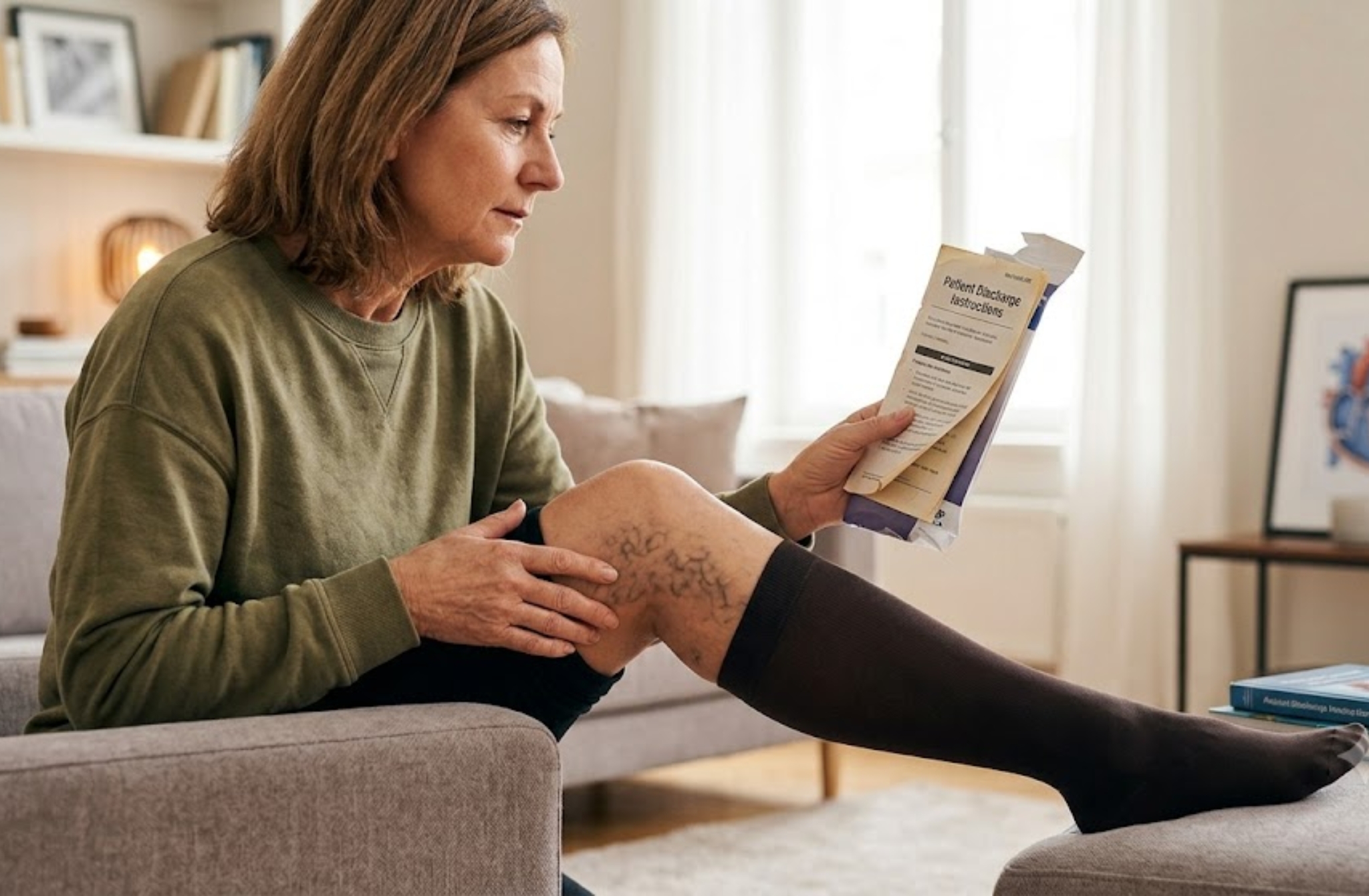
You followed your doctor’s advice, completed your varicose vein treatment, and finally felt relief only to notice those twisted, aching veins slowly reappearing months or years later. If this sounds familiar, you’re not alone. Why do varicose veins come back is one of the most common questions vascular specialists hear, and the answer is more nuanced than most patients expect.
We understand how frustrating recurrent varicose veins can be both physically and emotionally. In this comprehensive guide, we’ll explore the real reasons behind vein recurrence, what causes varicose veins to come back, whether recurrent varicose veins are dangerous, and most importantly, how to prevent varicose veins from coming back for good.
Understanding Varicose Veins
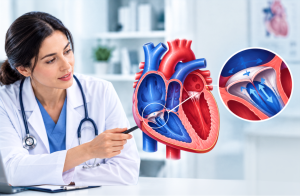
Before diving into why varicose veins recur, it helps to understand why they form in the first place. Veins contain one-way valves designed to push blood upward, toward the heart. When these valves weaken or fail, blood pools in the vein, causing it to swell, twist, and bulge beneath the skin, resulting in varicose veins.
Common symptoms include:
- Bulging, rope-like veins visible through the skin
- Aching, throbbing, or heaviness in the legs
- Swelling in the lower legs and ankles
- Skin discoloration or changes near the ankle
- Itching or burning around the affected vein
Modern treatments, including endovenous laser ablation, radiofrequency ablation, sclerotherapy, and surgical stripping, are highly effective at eliminating diseased veins. However, they treat the existing problem without changing the underlying venous insufficiency that caused the issue. This is the crux of why varicose veins recur.
Why Do Varicose Veins Come Back? The Core Reasons
Varicose vein recurrence is a well-documented phenomenon in vascular medicine. Studies suggest that up to 20–30% of patients experience some degree of recurrence within five years of treatment. Understanding what causes varicose veins to come back requires looking at both biological factors and treatment-related variables.
1. New Vein Insufficiency Develops
Treatment eliminates the treated vein but cannot prevent other veins from developing the same valve dysfunction over time. The venous system is a network; when one vein is closed, blood is rerouted. If the surrounding veins are already weakened or become stressed by this increased blood flow, new varicose veins can emerge.
2. Incomplete Treatment
In some cases, the original treatment may not have fully closed all diseased tributaries or perforator veins, the smaller connecting veins between the superficial and deep venous systems. If these are left untreated, they can continue feeding blood into the damaged network, leading to recurrence.
3. Neovascularization
Neovascularization, the growth of new, abnormal blood vessels at or near the treatment site, is a leading cause of recurrence, particularly after surgical stripping. The body attempts to ‘re-establish’ blood flow where veins were removed, sometimes forming fragile, tortuous new vessels that become varicose.
4. Genetic Predisposition
If varicose veins run in your family, your venous valve structure may be inherently weaker. No treatment can alter your genetic blueprint. Even after successful intervention, people with a strong family history have a higher baseline risk of developing new varicose veins throughout their lifetime.
5. Lifestyle and Occupational Factors
Prolonged standing or sitting, obesity, pregnancy, and a sedentary lifestyle all place sustained pressure on the venous system. Patients who return to high-risk behaviors or occupations without protective measures are far more likely to experience recurrence.
| Cause of Recurrence | How It Contributes |
| New venous insufficiency | Other veins develop valve failure independently over time |
| Incomplete treatment | Untreated tributaries continue feeding blood back into diseased areas |
| Neovascularization | New abnormal vessels form near the treatment site |
| Genetic predisposition | Inherited weak vein walls and valve structures |
| Pregnancy | Increased blood volume and hormonal changes weaken vein walls |
| Obesity | Excess weight elevates venous pressure in the legs |
| Prolonged standing | Gravity-induced pressure over time stresses vein walls |
| Age | Natural degeneration of vein walls and valves with aging |
Are Recurrent Varicose Veins Common?
Yes, recurrent varicose veins are, unfortunately, quite common. Research published in vascular surgery journals consistently shows recurrence rates ranging from 20% to 50% depending on the treatment method used and the time elapsed after treatment.
| Treatment Type | Typical Recurrence Rate | Primary Recurrence Cause |
| Surgical Stripping | 25–50% within 5 years | Neovascularization |
| Endovenous Laser Ablation (EVLA) | 5–15% within 3 years | New vein insufficiency |
| Radiofrequency Ablation (RFA) | 5–12% within 3 years | Incomplete closure / new disease |
| Foam Sclerotherapy | 15–30% within 3 years | Incomplete treatment of tributaries |
| Ultrasound-Guided Sclerotherapy | 10–25% within 5 years | Residual feeding vessels |
It’s important to note that “recurrence” doesn’t always mean the exact same vein has returned. In many cases, new varicose veins appear in a different location, driven by progressive underlying venous disease. This is why ongoing monitoring and lifestyle management are so critical even after successful treatment.
How Long After Treatment Can Varicose Veins Return?
The timeline for varicose vein recurrence varies widely based on individual factors and the treatment method. Here’s a general framework patients should be aware of:
| Time After Treatment | What May Happen |
| Within 3–6 months | Residual veins from incomplete treatment become apparent; normal post-treatment bruising resolves |
| 6–12 months | Early signs of neovascularization may appear near surgical sites |
| 1–3 years | New venous insufficiency may begin developing in adjacent veins |
| 3–5 years | Most meaningful recurrence is evident; lifestyle factors begin to take effect |
| 5+ years | Progressive venous disease leads to new varicose veins, especially in high-risk individuals. |
If you notice varicose veins returning within weeks or a few months of treatment, this is more likely a sign of incomplete treatment rather than true recurrence. If they reappear after 1–2 years, it typically reflects new or progressive disease.
Are Recurrent Varicose Veins Dangerous?
Whether recurrent varicose veins are dangerous depends largely on their severity and how long they remain untreated. While many people experience varicose veins primarily as a cosmetic or comfort issue, leaving them unchecked, especially upon recurrence, can lead to serious complications.
Potential risks of untreated recurrent varicose veins include:
- Chronic Venous Insufficiency (CVI): Persistent reflux causes progressive damage to surrounding skin and tissue, leading to chronic pain and swelling.
- Venous Stasis Ulcers: Long-standing venous hypertension can cause ulcers, typically near the ankle, that are difficult to heal.
- Superficial Thrombophlebitis: Inflammation and clotting within a varicose vein, causing redness, warmth, and tenderness.
- Deep Vein Thrombosis (DVT): Though less common, varicose veins have been associated with an increased risk of DVT, a potentially life-threatening clot in the deep veins.
- Lipodermatosclerosis: Hardening and discoloration of the skin around the ankle due to chronic venous pressure.
- Spontaneous Bleeding: Severely enlarged varicose veins near the skin surface can rupture and bleed with minimal trauma.
The message is clear: recurrent varicose veins are not merely a cosmetic inconvenience. If you notice them returning, prompt evaluation by a vascular specialist is the safest course of action.
How to Prevent Varicose Veins from Coming Back
While no strategy can guarantee that varicose veins will never return, especially in those with a strong genetic predisposition, a combination of medical follow-up and proactive lifestyle changes can significantly reduce the risk and delay recurrence.
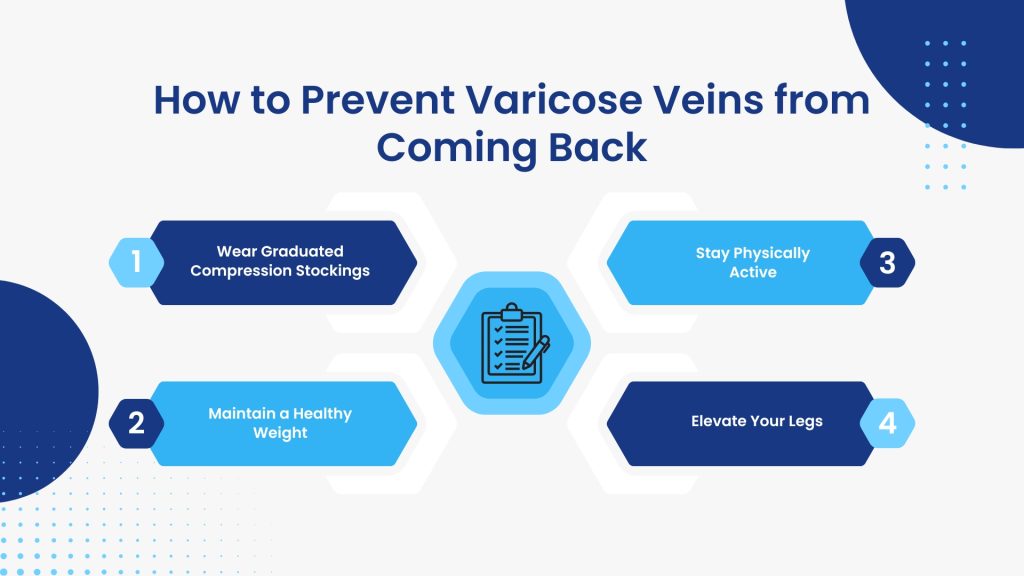
1. Wear Graduated Compression Stockings
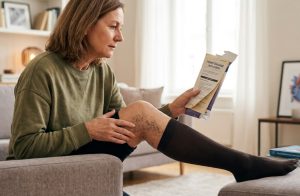
Compression stockings remain one of the most effective tools for managing venous pressure. Graduated compression, which is tightest at the ankle, gradually loosening toward the thigh, helps push blood upward and reduces the pooling that leads to vein damage.
- Wear 15–30 mmHg stockings for daily prevention.
- Higher compression (30–40 mmHg) may be recommended post-treatment or for high-risk individuals
- Consistency is key: wearing them most days provides the greatest benefit
2. Stay Physically Active
Regular physical activity, particularly exercises that engage the calf muscles, acts as a natural venous pump, pushing blood upward against gravity. Aim for:
- 30 minutes of walking, swimming, or cycling most days of the week
- Calf raises and ankle circles if your job requires prolonged sitting or standing
- Avoiding prolonged immobility, especially during long flights or car journeys
3. Maintain a Healthy Weight
Excess body weight significantly increases the pressure exerted on the venous system. Even moderate weight loss in overweight patients can reduce venous hypertension and lower recurrence risk. A balanced diet rich in anti-inflammatory foods, fiber, and antioxidants also supports vascular health.
4. Elevate Your Legs
Elevating your legs above heart level for 15–20 minutes several times a day reduces venous pooling. This is particularly helpful during periods of extended rest or after long working hours on your feet.
Follow a Vein-Healthy Diet
| Foods to Include | Foods to Limit |
| High-fiber foods (oats, legumes, whole grains) | Excess sodium (promotes fluid retention) |
| Flavonoid-rich foods (berries, citrus, grapes) | Processed and fried foods (promote inflammation) |
| Leafy greens (vitamin K for vascular health) | Refined sugars (linked to obesity and inflammation) |
| Omega-3-rich foods (salmon, flaxseed, walnuts) | Excessive alcohol (causes vessel dilation) |
| Adequate water intake (prevents blood thickening) | High-caffeine drinks in excess |
When to See a Specialist About Recurrent Varicose Veins
If you’ve already had varicose vein treatment and notice new symptoms, don’t wait for them to become severe. Seek a specialist evaluation if you experience:
- New or returning bulging veins visible beneath the skin
- Persistent leg aching, heaviness, or fatigue, especially at the end of the day
- Swelling that doesn’t improve with rest and elevation
- Skin changes such as browning, hardening, or eczema around the ankle
- A vein that becomes red, warm, or painful, possibly thrombophlebitis
- Any open sores or ulcers near the leg or ankle
At Atlantic Cardiovascular, our vascular specialists use state-of-the-art duplex ultrasound mapping to precisely locate areas of venous reflux and design a personalized treatment plan. Whether you’re experiencing recurrence after surgery, laser therapy, or sclerotherapy, we have the tools and expertise to help.
Treatment Options for Recurrent Varicose Veins
The good news is that recurrent varicose veins are eminently treatable. The approach will depend on the cause, severity, and anatomy of the recurrence.
| Treatment | Best For | Key Benefit |
| Foam Sclerotherapy | Small to medium recurrent veins, neovascularization | Minimally invasive; no anesthesia needed |
| Ultrasound-Guided Sclerotherapy | Deeper feeding veins not visible to the naked eye | Precision targeting of hidden vessels |
| Endovenous Laser Ablation (EVLA) | Large recurrent truncal veins | High success rate; minimal downtime |
| Radiofrequency Ablation (RFA) | Large saphenous vein recurrence | Gentle thermal energy; low bruising |
| Ambulatory Phlebectomy | Bulging surface tributaries | Immediate cosmetic and symptomatic relief |
| Surgical Re-intervention | Complex or extensive recurrence after previous surgery | Definitive treatment for severe disease |
Conclusion
Varicose vein recurrence is a reality for a significant proportion of patients, but it is neither inevitable nor unmanageable. Understanding why varicose veins come back from genetic factors and incomplete treatment to neovascularization and lifestyle influences- empowers you to take meaningful preventive steps.
At Atlantic Cardiovascular, our compassionate team of vascular experts is dedicated to helping you achieve lasting vascular health, not just a one-time fix. Whether you’re undergoing first-time treatment or dealing with recurrence, we offer a comprehensive, evidence-based approach tailored to your unique needs.
FAQs
Q1. Is it safe to have varicose vein treatment more than once?
Yes. Repeat treatments are common, safe, and often needed if new veins develop. Your specialist will use ultrasound to determine the best treatment plan.
Q2. Can varicose veins during pregnancy be treated to prevent recurrence?
Treatment is usually delayed until after pregnancy, as many veins improve naturally after delivery. Compression stockings can help reduce symptoms and complications.
Q3. Do natural remedies or supplements help prevent recurrence?
Some supplements may ease swelling and heaviness but cannot prevent or treat varicose veins. Always consult your doctor before taking them.
Q4. How can I tell the difference between spider veins and new varicose veins?
Spider veins are small, flat, and usually cosmetic, while varicose veins are larger, raised, and often painful. An ultrasound can confirm the difference.
Q5. Can I know if I’m at high risk for recurrence?
Yes. A duplex ultrasound and family history can identify factors that increase your recurrence risk before treatment.
Q6. Can losing weight make recurrent varicose veins go away?
Weight loss reduces pressure on the veins and improves symptoms, but it cannot reverse damaged veins. Existing varicose veins usually require treatment.