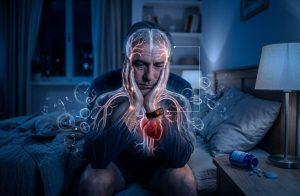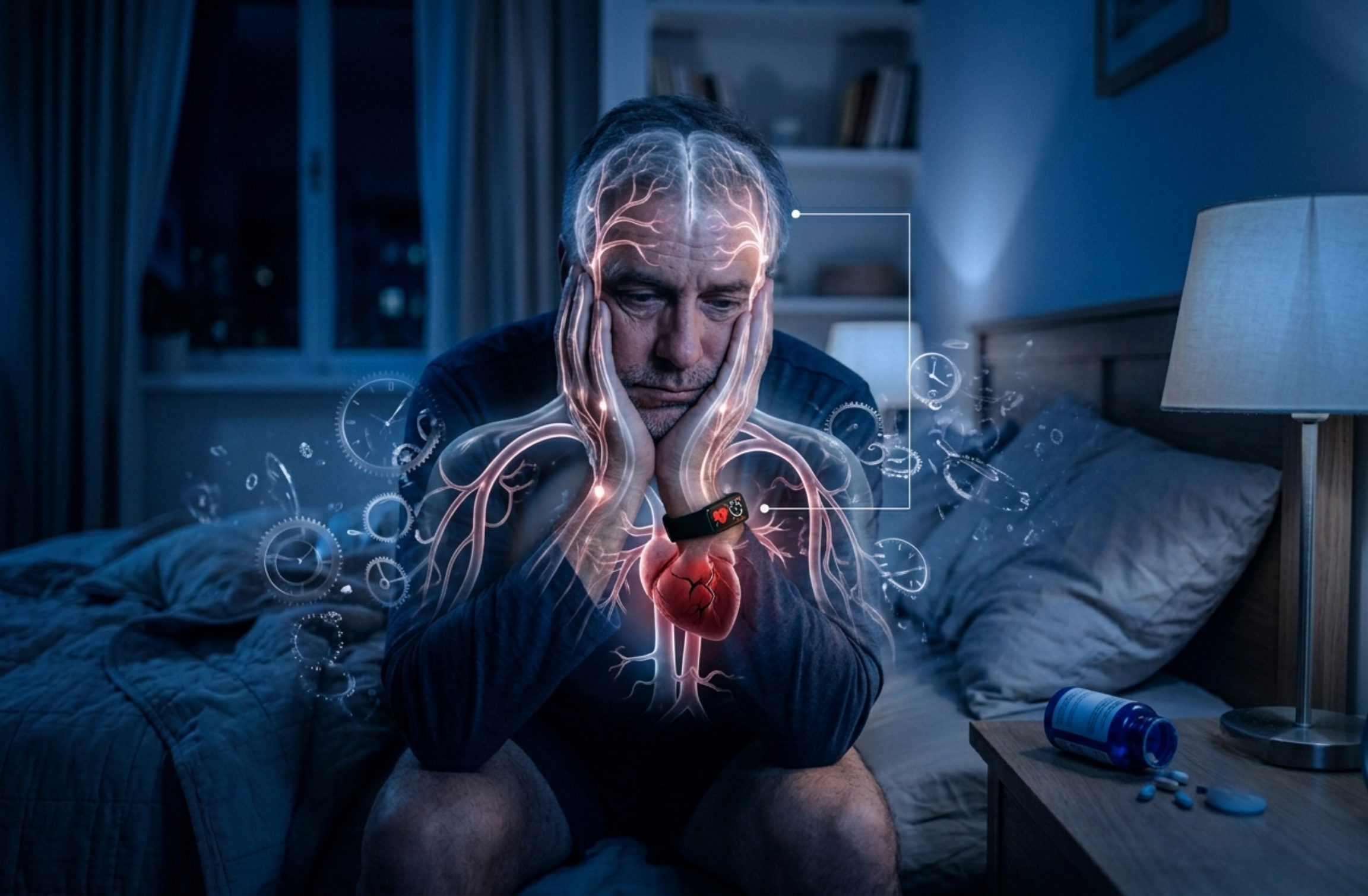
Most people understand that diet and exercise play a major role in heart health. But there is one factor that is frequently overlooked, one that affects your cardiovascular system every single night: sleep. Can lack of sleep affect heart health? The answer, supported by decades of research and clinical evidence, is a resounding yes.
Sleep is not passive recovery time. It is when your heart rate slows, blood pressure drops, and your cardiovascular system undergoes critical repair. When this process is interrupted night after night, the consequences extend far beyond fatigue. They reach your arteries, your blood pressure, your hormones, and your heart muscle itself.
Why Sleep Is Important for Heart Health
Sleep is one of the most powerful biological processes your body undergoes each day. During sleep, your body does not simply rest. It performs critical maintenance functions, many of which are directly tied to your heart and blood vessels.
What Happens to Your Heart During Sleep?
During a full night of quality sleep, your body cycles through several stages, each providing distinct cardiovascular benefits:
| Sleep Stage | Duration | Cardiovascular Benefit |
| Light Sleep (Stage 1 & 2) | 50–60% of the night | Initial physical rest, memory consolidation begins |
| Deep Sleep (Stage 3) | 15–25% of the night | Blood pressure drops, heart muscle repairs, and growth hormone is released |
| REM Sleep | 20–25% of the night | Emotional regulation, stress processing, cortisol control |
Without sufficient time in these stages, especially deep sleep and REM, your cardiovascular system does not complete its nightly repair cycle. Over time, this deficit accumulates and translates into measurable risk.
How Sleep Deprivation Affects the Cardiovascular System
Sleep deprivation triggers a cascade of physiological changes that place your heart under significant stress. These changes begin almost immediately after even one or two nights of poor sleep and worsen with chronic deprivation.
1. Elevated Stress Hormones
When you do not sleep enough, your body produces excess cortisol and adrenaline, two stress hormones that increase heart rate and cause blood vessels to constrict. Chronically elevated levels of these hormones contribute to:
- Arterial stiffness
- Increased workload on the heart
- Higher baseline blood pressure
- Greater risk of cardiovascular events
2. Increased Inflammation
Sleep is one of the primary regulators of inflammation in the body. Poor sleep raises levels of inflammatory markers such as C-reactive protein (CRP) and interleukin-6 (IL-6). Chronic inflammation is a known driver of atherosclerosis, the buildup of plaques in the arteries that can lead to a heart attack and stroke.
3. Disrupted Autonomic Nervous System
Your autonomic nervous system controls involuntary functions, including heart rate and blood vessel tone. Sleep deprivation shifts the balance toward sympathetic nervous system dominance (the fight-or-flight response), keeping your cardiovascular system in a state of prolonged activation even during waking hours.
4. Metabolic Dysfunction
Poor sleep disrupts insulin sensitivity and glucose metabolism. This creates conditions that are favorable to the development of:
- Type 2 diabetes (a major heart disease risk factor)
- Obesity and visceral fat accumulation
- Elevated triglycerides
- Reduced HDL (good) cholesterol
Does Lack of Sleep Increase Blood Pressure?
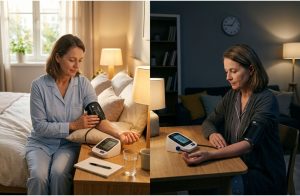
One of the most well-documented cardiovascular effects of poor sleep is hypertension, or high blood pressure. Under normal circumstances, blood pressure dips by 10 to 20 percent during sleep, a phenomenon clinicians refer to as “dipping.” This nighttime dip allows the heart and arteries to recover from the demands of the day.
What Happens When You Miss This Dip?
People who are sleep-deprived, or who suffer from sleep disorders such as sleep apnea, often show non-dipping or reverse-dipping patterns. This means their blood pressure stays elevated or even rises during what should be their rest period. The consequences include:
- Persistent elevation in 24-hour blood pressure averages
- Greater strain on the left ventricle of the heart
- Higher risk of developing hypertension over time
- Increased risk of heart attack and stroke, particularly in the early morning hours
Studies have shown that sleeping fewer than six hours per night is associated with a significantly higher likelihood of developing hypertension compared to those who sleep seven to nine hours. This relationship holds true even after adjusting for other lifestyle factors such as diet, exercise, and smoking.
Connection Between Sleep Apnea and Heart Health
Sleep apnea is one of the most cardiovascular-dangerous sleep disorders. It is characterized by repeated interruptions in breathing during sleep, causing oxygen levels in the blood to drop and the brain to signal the body to wake up partially in order to restore breathing. These episodes can occur dozens or even hundreds of times per night.
How Sleep Apnea Harms Your Heart
Each apnea event triggers a stress response: oxygen drops, cortisol surges, heart rate spikes, and blood pressure rises suddenly. Repeated thousands of times per year, this pattern creates serious cardiovascular consequences:
| Cardiovascular Condition | Increased Risk with Untreated Sleep Apnea |
| Hypertension | Up to 2x higher risk |
| Atrial Fibrillation (AFib) | 2–4x more likely |
| Heart Failure | Significantly elevated risk |
| Coronary Artery Disease | Accelerated plaque buildup |
| Stroke | Up to 3x increased risk |
Warning Signs of Sleep Apnea
Many people with sleep apnea do not know they have it. Watch for these warning signs:
- Loud, persistent snoring
- Waking up gasping or choking
- Excessive daytime sleepiness despite adequate time in bed
- Morning headaches
- Difficulty concentrating
- High blood pressure that is difficult to control
- Frequent nighttime urination
If you recognize these symptoms in yourself or a loved one, we strongly encourage you to seek evaluation. At Atlantic Cardiovascular, sleep apnea screening is part of our comprehensive cardiac risk assessment for appropriate patients.
Can Poor Sleep Increase the Risk of Heart Disease?
The short answer is yes, and the evidence is substantial. Multiple large-scale epidemiological studies have established clear links between chronic sleep deprivation and an elevated risk of cardiovascular disease.
- The European Heart Journal Study:
Individuals sleeping fewer than six hours per night had a 48% higher risk of developing or dying from coronary heart disease.
- The Sleep Heart Health Study:
Short sleep duration was independently associated with increased cardiovascular mortality, even after controlling for traditional risk factors.
- The Nurses’ Health Study:
Both short (less than 5 hours) and long (more than 9 hours) sleep durations were associated with a significantly elevated risk of coronary heart disease in women.
- American Heart Association Meta-Analysis:
Consistently short sleep was linked to a 20% increased risk of heart attack and a 15% increased risk of stroke.
The Mechanisms Behind the Risk
Poor sleep contributes to heart disease through multiple overlapping mechanisms:
- Systemic inflammation damages arterial walls
- Oxidative stress accelerates atherosclerosis
- Sympathetic nervous system overactivation increases heart rate and blood pressure
- Disrupted circadian rhythms impair cholesterol and lipid metabolism
- Sleep deprivation promotes weight gain and insulin resistance, two key drivers of cardiovascular disease
Sleep Duration and Heart Risk
| Sleep Duration | Heart Risk Level | Associated Conditions |
| Less than 5 hours | Very High | Heart attack, stroke, arrhythmia, heart failure |
| 5–6 hours | High | Hypertension, obesity, diabetes, metabolic syndrome |
| 6–7 hours | Moderate | Elevated inflammatory markers, mild blood pressure rise |
| 7–9 hours | Low (Optimal) | Maintained heart health, normal blood pressure |
| More than 9 hours | Moderate* | May indicate underlying illness; associated with increased mortality |
*Excessive sleep can sometimes indicate underlying depression, thyroid disorders, or other health conditions that independently raise cardiovascular risk.
How Much Sleep Do You Need for a Healthy Heart?
The American Academy of Sleep Medicine and the American Heart Association both emphasize that adults need between seven and nine hours of quality sleep per night for optimal health, including cardiovascular health. However, sleep needs vary slightly by age and individual factors.
| Age Group | Recommended Sleep | Heart Health Notes |
| Infants (4–12 months) | 12–16 hours | Includes naps; critical for early cardiac development |
| Toddlers (1–2 years) | 11–14 hours | Includes naps; supports metabolic regulation |
| School-age (6–12 years) | 9–12 hours | Supports healthy blood pressure patterns |
| Teenagers (13–18 years) | 8–10 hours | Lack of sleep linked to early cardiovascular risk markers |
| Adults (18–64 years) | 7–9 hours | Optimal for heart health and blood pressure |
| Older Adults (65+) | 7–8 hours | Less deep sleep; increased cardiovascular screening advised |
Quality Matters as Much as Quantity
It is not only about how many hours you sleep. The quality and continuity of sleep matter just as much. Fragmented sleep, even if it totals seven or more hours, may not provide the same cardiovascular protection as uninterrupted, restorative sleep. Factors that affect sleep quality include:
- Sleep disorders such as apnea or restless leg syndrome
- Medications including certain antidepressants or beta blockers
- Alcohol and caffeine consumption
- Stress and anxiety levels
- Room temperature, light, and noise exposure
- Blue light exposure from screens before bedtime
What Are the Long-Term Effects of Sleep Deprivation on Heart Health?
Chronic sleep deprivation, meaning consistently poor sleep over months or years, does not simply accumulate fatigue. It fundamentally alters your cardiovascular physiology in ways that increase lifetime risk for serious heart conditions.
Long-Term Cardiovascular Consequences
Permanent Hypertension: Persistent elevation in blood pressure that may become resistant to medication if untreated.
Accelerated Atherosclerosis: Chronic inflammation and oxidative stress progressively damage arterial walls, promoting plaque buildup even in patients with otherwise healthy diets.
- Left Ventricular Hypertrophy: The heart muscle thickens in response to increased workload from chronically elevated blood pressure, reducing cardiac efficiency.
- Atrial Fibrillation: Sleep deprivation has been directly linked to increased risk of this common and potentially dangerous heart rhythm abnormality.
- Heart Failure: Chronic sleep restriction impairs the heart’s ability to pump efficiently over time.
- Sudden Cardiac Death: Research has found higher rates of cardiac events in individuals with severe, chronic sleep disorders.
Tips to Improve Sleep and Protect Your Heart
Improving your sleep is one of the most impactful steps you can take for heart health. Here are clinically supported strategies
- Maintain a consistent sleep schedule: go to bed and wake at the same time every day, including weekends.
- Create a dark, cool, quiet sleep environment. The ideal bedroom temperature for sleep is between 60 and 67 degrees Fahrenheit.
- Limit caffeine after noon. Caffeine has a half-life of 5 to 7 hours and can disrupt sleep architecture even when you feel it has worn off.
- Avoid alcohol before bed. While alcohol may help you fall asleep, it significantly disrupts REM sleep and increases nighttime awakenings.
- Put away screens 60 minutes before bed. Blue light suppresses melatonin production and delays sleep onset.
- Exercise regularly but not within 3 hours of bedtime. Regular physical activity improves sleep quality, but late-evening exercise can delay sleep onset.
- Practice relaxation techniques, deep breathing, progressive muscle relaxation, and mindfulness meditation can reduce pre-sleep anxiety and cortisol levels.
- Manage stress proactively. Chronic psychological stress is one of the most potent disruptors of sleep quality and cardiovascular health.
- Seek evaluation if you snore or wake frequently; these may be signs of sleep apnea, a treatable condition with major implications for heart health.
- Discuss sleep with your cardiologist. Sleep is a vital sign. Do not hesitate to bring it up at your next appointment.
When to See a Cardiologist About Your Sleep
You should consider scheduling a cardiovascular evaluation if you experience any of the following:
✓You consistently sleep fewer than 6 hours per night
✓You have been told you snore loudly or stop breathing in your sleep
✓You wake with headaches, chest discomfort, or palpitations
✓You have high blood pressure that is not well controlled
✓You feel excessively tired during the day despite sleeping
✓You have a family history of heart disease and poor sleep habits
✓You have been diagnosed with sleep apnea but are not currently receiving treatment
Conclusion
Chronic sleep deprivation quietly elevates blood pressure, fuels inflammation, disrupts your autonomic nervous system, and accelerates the progression of heart disease. Sleep apnea, one of the most underdiagnosed conditions in America, compounds these risks significantly. And yet, with the right evaluation and treatment, the cardiovascular damage caused by poor sleep is often reversible.
At Atlantic Cardiovascular, we take a whole-patient approach to heart health. That means looking beyond the obvious risk factors to understand every aspect of your lifestyle, including how well you sleep. If you have questions about your sleep and heart health, we are here to help.