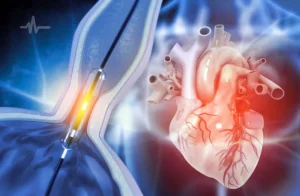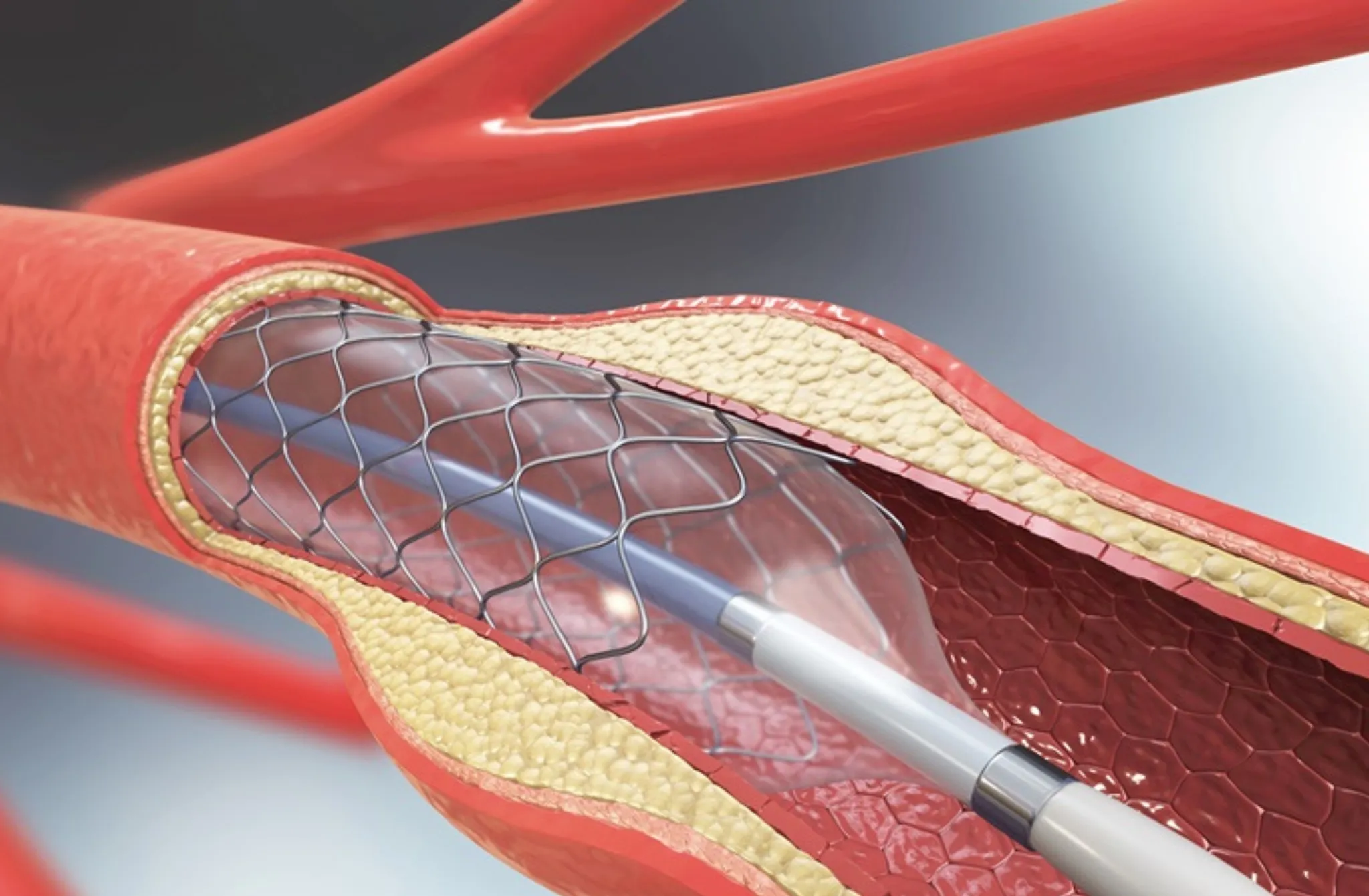
Angioplasty and stent placement are common procedures used to treat coronary artery disease (CAD) and other cardiovascular conditions. If you or a loved one has recently undergone this procedure, you may be wondering what to expect during the recovery phase.
This guide will walk you through the process, from the immediate aftermath to long-term care, offering essential insights into life after angioplasty and stent placement.
What Happens Right After the Procedure?
Once the procedure is completed, you will be monitored in a recovery room to ensure that the stent placement is successful and that no complications arise. Depending on the type of procedure (whether planned or emergency), the hospital stay may vary.
Monitoring and Observation
After stent placement, you’ll likely stay in the hospital for several hours or even overnight. During this time, medical staff will monitor your vital signs and keep an eye on the catheter insertion site. It’s common to feel mild discomfort at the site where the catheter was inserted (typically in the groin or wrist).
Discharge Instructions
Before being discharged, your doctor will provide clear instructions on how to care for yourself in the first few days following the procedure. This will include guidance on medications, activity restrictions, and when to schedule follow-up appointments.
When Can You Return to Normal Activities?
Recovery after angioplasty and stent placement typically progresses over a few weeks. It’s essential to take things slow during the first few days and follow your doctor’s advice carefully.
The First Week: Rest and Mild Activity
In the initial days, you’ll be advised to rest and avoid any strenuous activities. Simple, light activities such as walking are generally allowed and even encouraged to promote healing. Driving is typically restricted for at least 24 hours after the procedure, depending on your condition.
Gradual Increase in Activity
By the end of the first week, most people feel ready to return to light office work or daily tasks. However, heavy lifting and intense physical activity should be avoided until your doctor gives the green light—this could take around 1-2 weeks depending on your healing progress.
Prevent heart problems before they start – Schedule a preventive checkup
Contact UsWhat to Expect from the Catheter Site: Care and Healing
After angioplasty and stent placement, the catheter insertion site (groin or wrist) may be sore, bruised, or swollen. It’s important to monitor the area for any signs of infection or excessive bleeding.
Caring for the Insertion Site
You will be given specific instructions on how to care for the site. Keep it clean and dry, and avoid submerging it in water (i.e., no baths or swimming) until it has healed. It’s essential to apply pressure to the site if you notice any excessive bleeding.
When to Seek Medical Help
If you notice increased redness, warmth, or pus around the insertion site, or if you experience heavy bleeding that doesn’t stop with pressure, contact your healthcare provider immediately. These could be signs of infection or other complications.
Long-Term Lifestyle Changes: Heart-Healthy Habits
Recovery doesn’t stop once you’ve left the hospital. To ensure long-term success after stent placement, adopting heart-healthy habits is critical.
Diet and Nutrition
A heart-healthy diet plays a major role in your recovery. Focus on foods that reduce cholesterol and improve blood flow, such as fruits, vegetables, whole grains, lean proteins, and healthy fats like omega-3 fatty acids. Limiting processed foods, red meats, and high-sodium options will help you maintain optimal cardiovascular health.
Exercise and Physical Activity
Regular physical activity is key to a successful recovery. After the first few weeks, your doctor will advise on when to increase activity levels. Aim for moderate exercise, such as walking or cycling, and gradually work your way up to more intense activities as your heart becomes stronger.
Avoiding Smoking and Limiting Alcohol
Quitting smoking and reducing alcohol consumption are crucial steps in ensuring that your stent placement remains successful. Smoking is one of the primary risk factors for heart disease and can compromise the health of your arteries, while alcohol can interfere with medication and raise blood pressure.
What Medications Required After Stent Placement ?
After stent placement, you’ll likely be prescribed several medications to help prevent blood clots and keep your arteries open. These medications are critical to your recovery and should be taken exactly as prescribed.
Antiplatelet Medications
Most people who undergo stent placement are prescribed antiplatelet drugs (e.g., aspirin or clopidogrel). These medications prevent blood clots from forming around the stent, which is a common cause of stent blockage.
Statins and Blood Pressure Medications
You may also be prescribed statins to lower cholesterol and blood pressure medications to help keep your heart working efficiently. It’s important to stay on top of these medications to prevent further complications and ensure the success of the procedure
Prevent heart problems before they start – Schedule a preventive checkup
Contact UsWhen to See Your Doctor
Follow-up appointments are essential after angioplasty and stent placement to ensure everything is healing properly. Your healthcare provider will likely schedule a follow-up visit within a few weeks or months to check on your progress.
Routine Monitoring
During follow-up visits, your doctor will monitor your heart health, check for any complications, and review your medication regimen. You may also undergo imaging tests like angiograms to ensure that the stent remains open and that your arteries are healthy.
Symptoms to Watch For
While your recovery should progress smoothly, be mindful of any new or worsening symptoms that could signal complications. These include:
- Chest pain or tightness
- Shortness of breath
- Swelling or redness around the insertion site
- Unusual or persistent dizziness or fatigue
Life After Stent Placement
Most people with stents live a normal life, though ongoing heart care is essential to maintaining your health. If you adopt a heart-healthy lifestyle, follow your doctor’s advice, and attend all follow-up appointments, your outlook after stent placement is generally positive.
The Stent’s Role in Your Heart Health
The stent is designed to stay in place permanently, providing continued support to the artery. It is critical to remember, however, that a stent is not a cure for heart disease. The underlying risk factors, such as high blood pressure, high cholesterol, and smoking, should be managed long-term.
Conclusion
By following your doctor’s instructions, adopting healthy habits, and maintaining regular follow-up care, you can enjoy a long, healthy life after stent placement. Always remember, prevention is key, so make sure to stay proactive about your heart health.
For more information on angioplasty and stent recovery or if you have any specific concerns, please feel free to contact Atlantic Cardiovascular. Our team of experts is here to support your journey to better heart health.