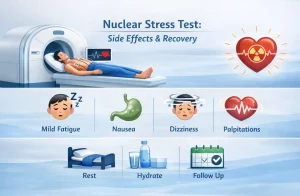
A nuclear stress test is a valuable diagnostic tool that helps doctors assess heart health and detect potential cardiovascular issues. While the procedure is considered safe and widely used, understanding possible side effects can help you prepare mentally and physically for what lies ahead.
What Triggers Side Effects During the Test?
Side effects stem from three main components of the procedure:
Physical or chemical stress on your heart: Whether you’re walking on a treadmill or receiving medication to simulate exercise, your heart works harder than usual. This increased demand can cause temporary breathlessness, fatigue, or mild chest discomfort.
The radioactive tracer injection: A small amount of radioactive material is injected to create images of blood flow to your heart. While generally well-tolerated, some patients notice a warm sensation, headache, or metallic taste.
Cardiovascular responses: As your heart rate and blood pressure rise during stress, you might experience palpitations, flushing, or lightheadedness—all normal reactions that typically subside once the test concludes.
Common Side Effects You Might Experience
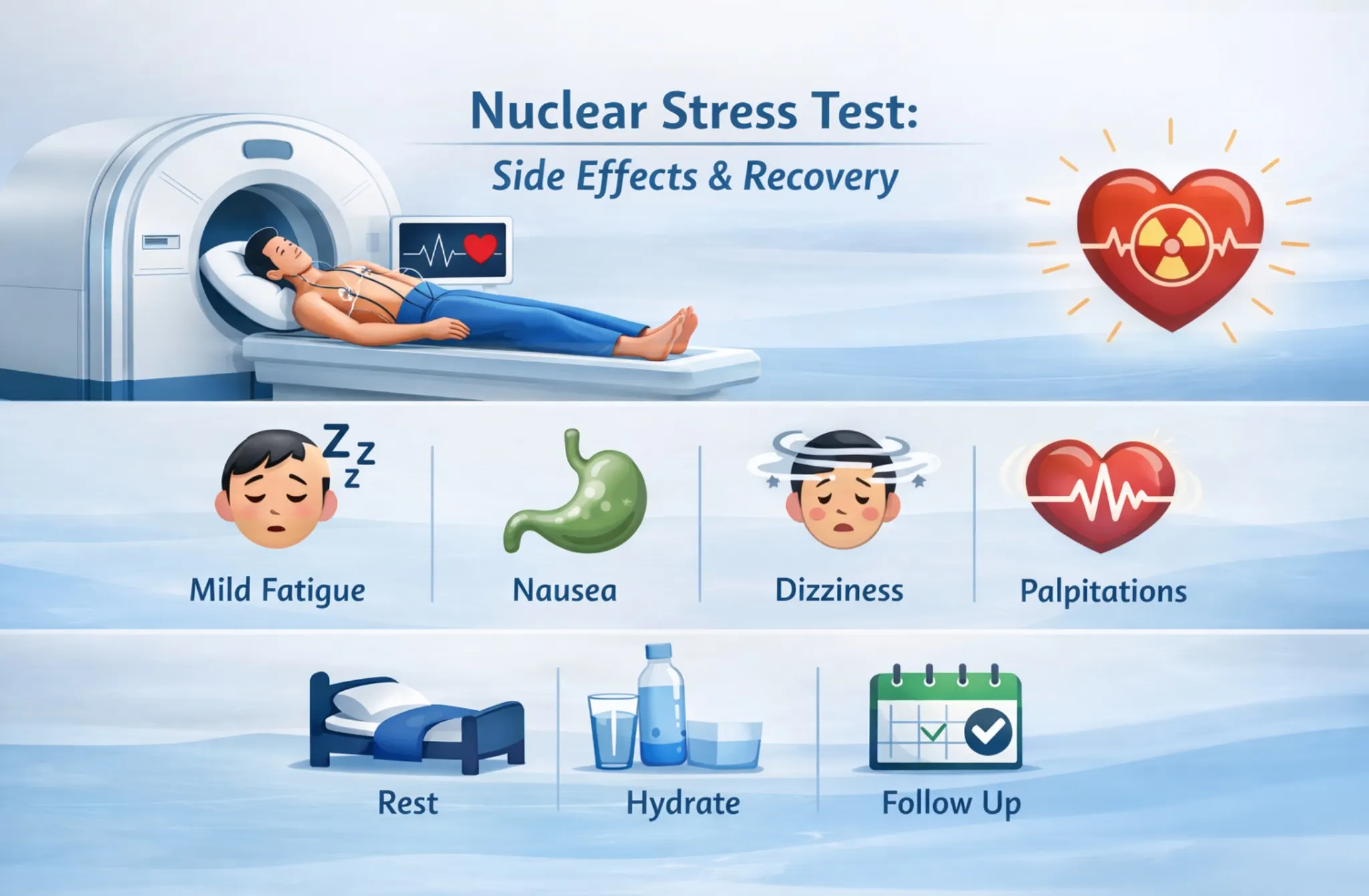
Fatigue
Tiredness is the most frequently reported effect, especially after treadmill exercise. Your body simply needs time to recover from the increased cardiac activity.
Headache
Mild headaches can develop due to stress, medication effects, or caffeine withdrawal (since you’ll typically avoid caffeine before the test).
Nausea and Dizziness
Some people feel queasy or lightheaded during or immediately after the stress phase. These sensations are temporary and usually resolve quickly.
Flushing or Warmth
Stress medications often cause a sudden warm feeling, skin redness, or mild sweating—a completely normal response.
Chest Discomfort or Breathlessness
Brief chest tightness or shortness of breath may occur as your heart works harder. Medical staff monitor these symptoms closely throughout the procedure.
Less Common but Possible Reactions
While rare, some patients may experience:
- Irregular heartbeat: Usually short-lived and resolves naturally
- Mild allergic reaction: Itching, rash, or slight swelling from the tracer
- Brief faintness: From temporary blood pressure drops
- Metallic taste: An unusual taste that fades quickly after injection
How Long Do Side Effects Last?
Most side effects are mild and temporary:
- Minutes to a few hours: Dizziness, flushing, breathlessness, and metallic taste typically fade within this timeframe
- Up to 24 hours: Lingering fatigue, headache, or general tiredness occasionally persist, especially after medication-induced stress
- Same-day recovery: Most patients resume normal activities within hours
Drinking plenty of fluids and resting briefly can speed recovery and help eliminate the tracer from your system.
Understanding the Radioactive Tracer
The radiation exposure is minimal and short-lived:
- The tracer is designed to decay quickly and leaves your body naturally through urine
- Most tracer is eliminated within 24 hours
- Radiation exposure equals just a few months of natural background radiation
- As a precaution, avoid close contact with pregnant women or infants for a few hours
Chemical Stress vs. Tracer Side Effects
| Type | Cause | Common Symptoms | Duration |
| Chemical stress | Medications simulating exercise | Irregular heartbeat, low blood pressure, shortness of breath, dizziness | Minutes to few hours; rarely up to 24 hours |
| Radioactive tracer | Injected imaging agent | Metallic taste, mild headache, nausea, rare allergic reactions | Minutes to few hours; very rarely up to 24 hours |
Recovery and Post-Test Care
Immediate care:
- Rest briefly if you feel fatigued or dizzy
- Drink plenty of water to flush the tracer from your system
- Monitor yourself for any unusual symptoms
Precautions:
- Limit close contact with pregnant women and infants for a few hours
- Resume regular medications and diet unless instructed otherwise
- Attend follow-up appointments to discuss results
Prevent heart problems before they start – Schedule a preventive checkup
Contact UsRisks and Serious Complications
While serious complications are extremely rare (fewer than 1 in 5,000-10,000 cases), they can include:
- Temporary irregular heartbeats that usually self-resolve
- Blood pressure drops causing dizziness or brief fainting
- Extremely rare heart attacks, primarily in patients with unstable heart conditions
- Severe allergic reactions to the tracer
Careful pre-test screening identifies high-risk patients and minimizes these risks. Overall, nuclear stress tests remain safe when performed under proper medical supervision.
Common Myths Debunked
Myth: The radiation is dangerous.
Fact: Exposure is minimal—equivalent to a few months of natural background radiation.
Myth: The test is painful.
Fact: The procedure is generally painless, though mild discomfort during exercise is possible.
Myth: You can’t resume normal activities afterward.
Fact: Most patients return to their regular routine the same day.
Myth: Everyone experiences side effects.
Fact: Many people have no side effects at all, and serious issues are extremely rare.
Final Takeaway
Nuclear stress tests provide critical insights into heart health with minimal risk. While mild side effects like fatigue, dizziness, or a metallic taste can occur, they’re typically short-lived and manageable.
Understanding what to expect and following post-test care instructions will help you feel confident and comfortable throughout the process. With proper screening and monitoring, this safe diagnostic tool helps doctors detect cardiovascular issues that might otherwise go unnoticed.