Heart health is one of the most critical aspects of overall well-being, yet heart disease often develops silently, without obvious symptoms. Detecting potential problems early can make a significant difference in outcomes. One diagnostic tool doctors often rely on is the nuclear stress test, a specialized procedure that evaluates how well the heart functions under stress.
If you’ve ever wondered why a doctor might recommend this test, this article will walk you through the process, reasons for its use, benefits, risks, and what to expect before, during, and after the test. By understanding the purpose and mechanics of a nuclear stress test, you can feel more confident and informed about your heart health.
What is a Nuclear Stress Test?
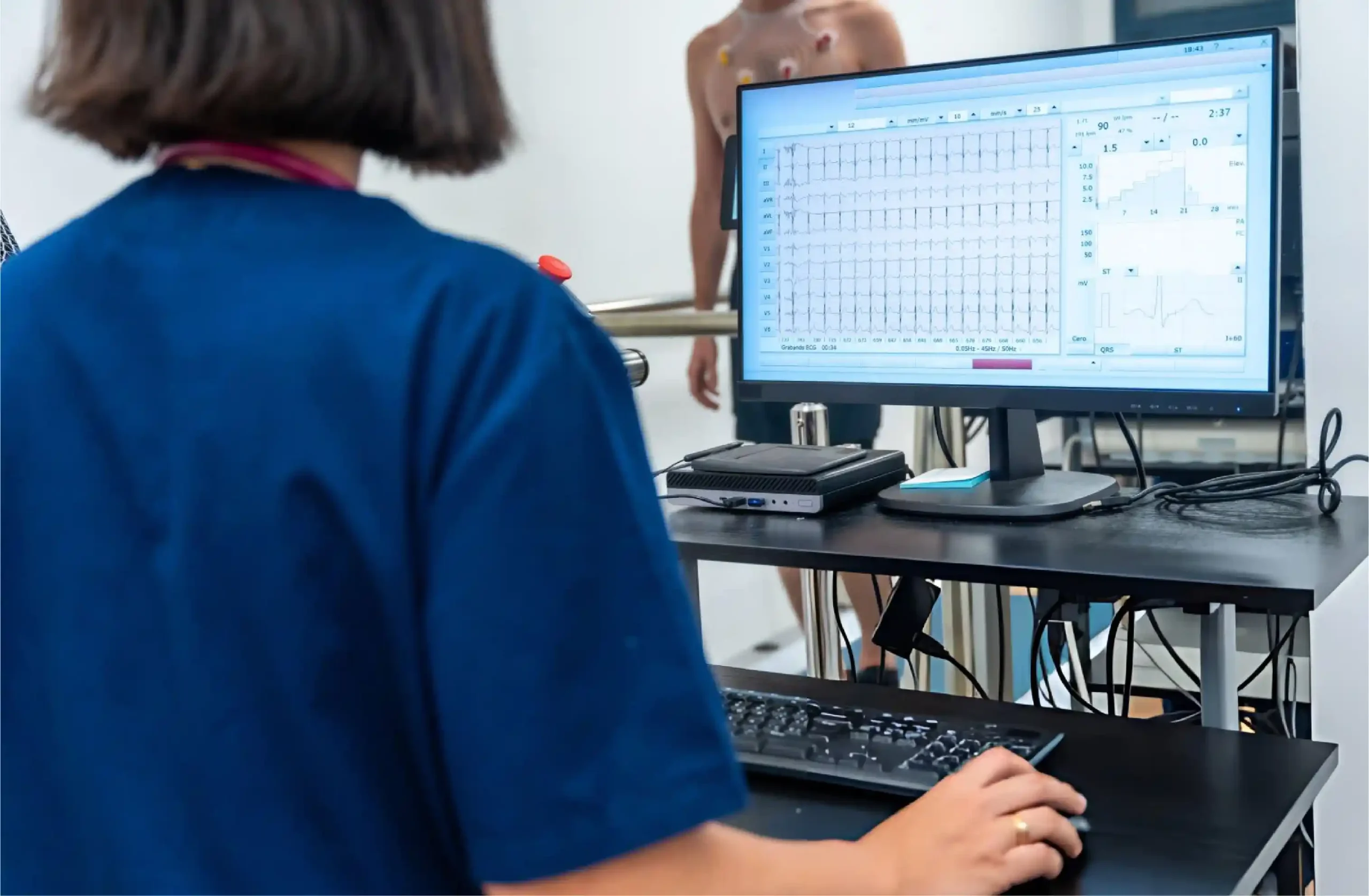
A nuclear stress test is a type of heart imaging test that helps doctors assess blood flow to the heart muscles. Unlike a standard treadmill stress test, which only monitors heart rate, blood pressure, and rhythm during exercise, the nuclear stress test uses a small amount of radioactive material (tracer) and specialized imaging technology to create detailed pictures of the heart at rest and under stress.
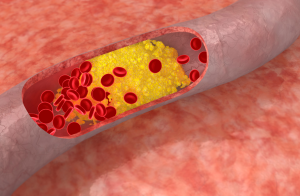
The test helps identify areas of the heart that may not be receiving enough blood or oxygen, which can signal coronary artery disease or other heart conditions.
How Does a Nuclear Stress Test Work?
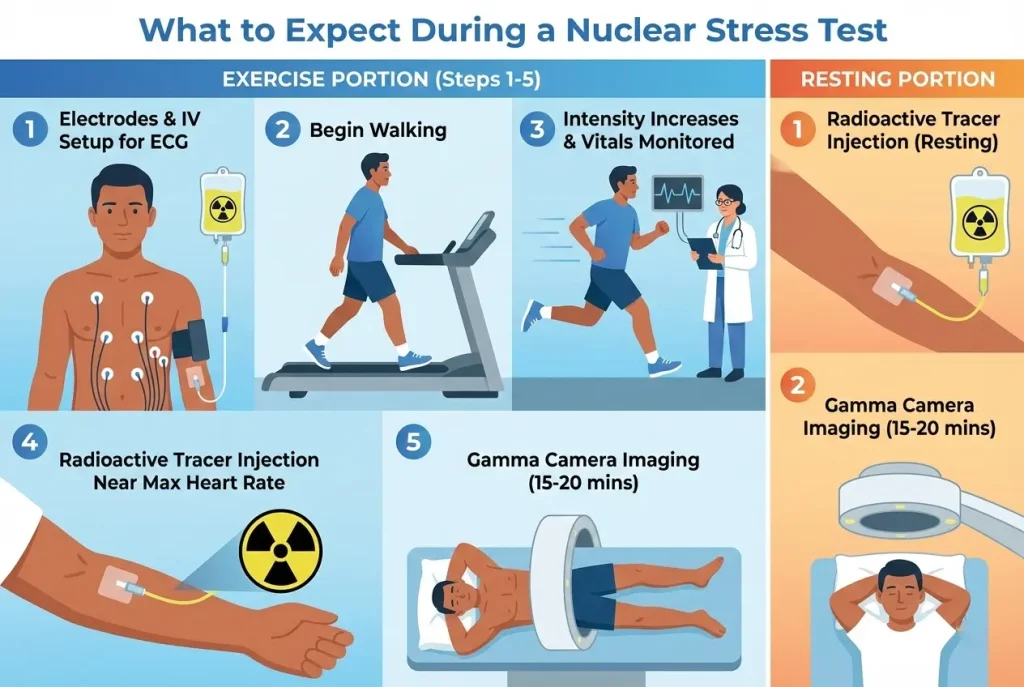
The nuclear stress test combines exercise or medication with imaging to assess blood flow. Here’s a step-by-step breakdown of how it works:
- Injection of a Radioactive Tracer: A small dose of a safe radioactive substance is injected into a vein. This tracer travels through the bloodstream and highlights the heart muscles.
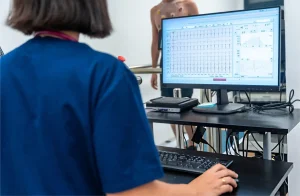
- Stress Induction: The patient either walks on a treadmill or pedals a stationary bike, gradually increasing intensity to simulate stress on the heart. If physical exercise isn’t possible, a medication can mimic the effects of exercise.
- Imaging: Using a gamma camera, the doctor takes images of the heart both at rest and during stress. These images reveal how blood flows to the heart muscle and identify any areas with reduced circulation.
The resulting images allow doctors to pinpoint blockages, reduced blood flow, and areas of heart muscle damage. It’s an essential tool for diagnosing heart conditions that might not be evident through routine tests.
Common Reasons Doctors Order a Nuclear Stress Test
Doctors may recommend a nuclear stress test for several reasons, often linked to evaluating heart health in patients with symptoms, risk factors, or previous heart conditions. Common reasons include:
- Chest Pain or Discomfort: If you experience angina or chest tightness, a nuclear stress test helps determine if these symptoms are related to reduced blood flow to the heart.
- Shortness of Breath or Fatigue: Unexplained breathlessness during physical activity may indicate underlying heart issues that need further investigation.
- Assessing Risk of Coronary Artery Disease: For individuals with risk factors such as high blood pressure, high cholesterol, diabetes, or a family history of heart disease, this test helps evaluate potential problems before symptoms appear.
- Monitoring Treatment Effectiveness: Doctors may use this test to track the progress of medications, lifestyle changes, or procedures like stent placement or bypass surgery.
- Post-Heart Attack Evaluation: Patients who have suffered a myocardial infarction (heart attack) may undergo this test to assess damage to heart muscles and determine ongoing treatment plans.
Overall, the nuclear stress test helps doctors make informed decisions about diagnosis, treatment, and preventive strategies.
Prevent heart problems before they start – Schedule a preventive checkup
Contact UsWho Should Consider a Nuclear Stress Test?
Not every patient needs a nuclear stress test. It is usually recommended for individuals who show symptoms suggestive of heart problems, such as chest pain, palpitations, dizziness, or unexplained fatigue. These symptoms may indicate reduced blood flow or other underlying heart issues that require further evaluation.
The test is also beneficial for people with certain risk factors, including high blood pressure, diabetes, high cholesterol, obesity, or a history of smoking. Older adults and those with a family history of heart disease may also be advised to undergo testing, as early detection can be crucial in preventing serious complications.
Risks and Safety of a Nuclear Stress Test
A nuclear stress test is generally considered safe, but like any medical procedure, it carries some risks. Understanding them can help you feel prepared:
- Radiation Exposure: The radioactive tracer involves a low dose of radiation, comparable to a few months of natural background exposure.
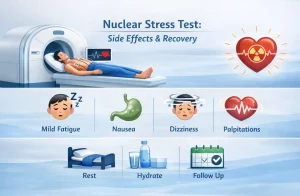
- Side Effects of Stress Induction: Some patients may experience chest pain, shortness of breath, dizziness, or irregular heartbeats during the test. These are usually temporary and monitored closely by medical staff.
- Allergic Reactions: Rarely, patients may have a reaction to the radioactive tracer.
- Pregnancy and Certain Conditions: Pregnant women or individuals with specific heart or kidney conditions may need alternative tests.
Medical teams take precautions to minimize risks, and continuous monitoring ensures patient safety throughout the procedure.
Preparing for a Nuclear Stress Test
Proper preparation is essential for accurate results. Here’s what patients usually need to know:
- Diet and Medication Restrictions: Avoid caffeine, certain medications, and food or drink that may affect heart rate as instructed by your doctor.
- Clothing: Wear comfortable, loose-fitting clothes and supportive shoes suitable for exercise.
- What to Expect: The test may last 2–4 hours, including the rest and stress phases. Bring any relevant medical records.
- Relaxation: Anxiety can affect results, so try to stay calm before and during the test.
Bottom Line
A nuclear stress test is a powerful diagnostic tool that helps doctors evaluate heart health, detect coronary artery disease, and guide treatment. While it involves minor radiation exposure and requires some preparation, it is generally safe and highly informative.
By understanding why a doctor may order this test, how it works, and what to expect, patients can make informed decisions and take proactive steps toward heart health management. If you have risk factors or symptoms suggestive of heart disease, discussing a nuclear stress test with your doctor could be a valuable step toward early detection and prevention.
FAQs
Q1. Is a nuclear stress test painful?
Ans: Generally, no. The injection may cause slight discomfort, and some patients feel mild chest pressure or fatigue during the stress phase.
Q2. How long does a nuclear stress test take?
Ans: The entire procedure, including preparation, imaging, and recovery, usually lasts 2–4 hours.
Q3. Can I eat before the test?
Ans: You may need to avoid caffeine, certain foods, or medications as instructed by your doctor. Fasting may also be required.
Q4. Is it safe for elderly patients?
Ans: Yes, with proper monitoring. Elderly patients often benefit from this test to assess heart function safely.
Q5. How soon will I get the results?
Ans: Results are usually reviewed within a few days. Your doctor will discuss findings and next steps during a follow-up.
Q6. What does an abnormal result mean?
Ans: It may indicate blocked arteries, reduced blood flow, or heart muscle damage, requiring further evaluation or treatment.
Q7. Can a nuclear stress test predict a heart attack?
Ans: While it doesn’t predict a heart attack with certainty, it can identify areas of risk and help doctors take preventive action.