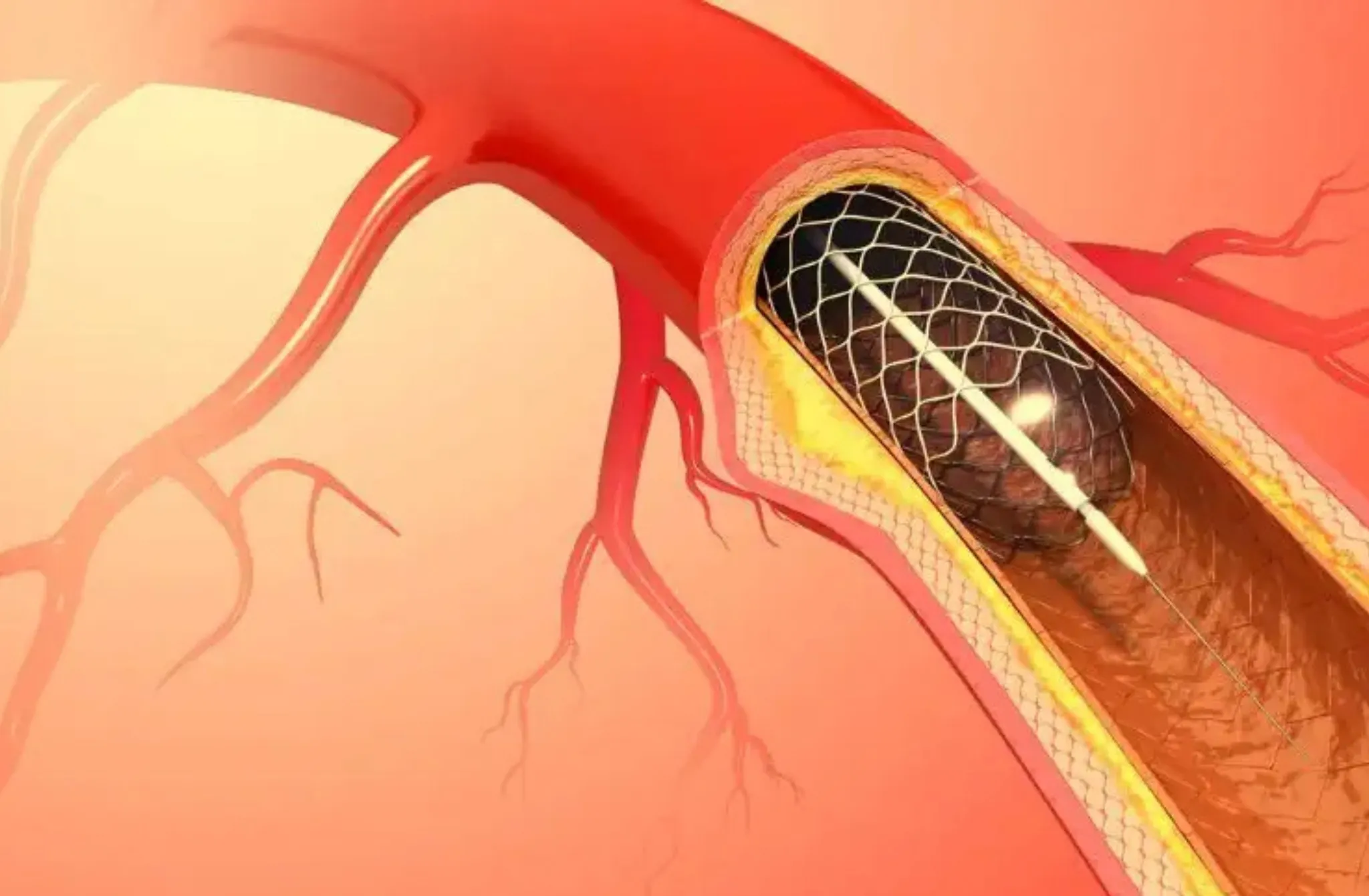
If you’re considering or preparing for a heart catheterization, it’s important to fully understand the procedure, its risks, and why it’s generally safe. This blog will guide you through the process, potential risks, and how to make an informed decision about your heart health.
Why is Heart Catheterization Performed?
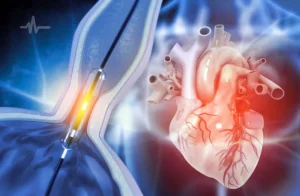
Heart catheterization is performed for a variety of reasons. It can help diagnose conditions like coronary artery disease (CAD), heart valve problems, and other heart-related issues. The procedure also allows doctors to:
- Identify blockages in the coronary arteries
- Measure the pressure inside the heart chambers
- Perform angioplasty or place stents to improve blood flow
- Investigate the function of heart valves and chambers
Understanding why heart catheterization is necessary can help alleviate concerns about its necessity and safety. Cardiologists typically recommend it when non-invasive tests, like an ECG or stress test, haven’t provided enough information to make a clear diagnosis.
How Safe is Heart Catheterization?
One of the most common questions asked about heart catheterization is: Is it safe? While any medical procedure carries some level of risk, heart catheterization is considered a safe and well-established procedure in the hands of experienced cardiovascular specialists. According to medical experts, the risk of serious complications is low.
The procedure is done under sterile conditions, and most patients experience no issues afterward. The primary concern for most patients is typically the use of a catheter and the contrast dye injected into the arteries during the procedure. However, advancements in medical technology and technique have significantly minimized the risks involved.
Common Risks of Heart Catheterization
While serious complications are rare, it’s important to understand the potential risks of heart catheterization. Here are the most common risks associated with the procedure:
- Bleeding or bruising: A common issue, especially at the insertion site (usually the groin or wrist).
- Infection: As with any procedure involving a catheter, there’s a small risk of infection at the entry site.
- Allergic reactions: Some patients may experience an allergic reaction to the contrast dye used to visualize the heart during the procedure.
- Arrhythmias (Irregular heartbeats): These can occur temporarily during the procedure, but they are often managed effectively.
- Blood clots: Though rare, blood clots can form around the catheter insertion site.
These risks are generally low and can be mitigated through proper care and attention. Most patients experience no serious complications during or after the procedure.
Rare but Serious Complications
Although rare, more serious complications can arise from heart catheterization. These include:
- Heart attack or stroke: While both are extremely rare, they are possible if the catheter causes injury to a coronary artery or if a blood clot forms.
- Kidney damage: Some individuals with pre-existing kidney problems may be at risk for kidney damage due to the contrast dye used during the procedure.
- Vascular complications: In some cases, the blood vessel may be injured, leading to further complications.
It’s important to note that these serious risks are very uncommon. Cardiologists will evaluate your medical history and perform necessary tests to minimize any pre-existing risk factors before recommending a catheterization.
How Do Doctors Minimize Risk?
Cardiologists and medical professionals take extensive measures to ensure the safety of patients undergoing heart catheterization. Some of the safety protocols include:
- Pre-procedure assessment: Before the procedure, your doctor will evaluate your medical history, including any pre-existing conditions such as diabetes, kidney disease, or clotting disorders. This helps identify any specific risks.
- Use of modern technology: Advanced imaging systems allow for greater precision when inserting the catheter and administering contrast dye, minimizing the risk of complications.
- Monitoring during the procedure: You will be continuously monitored during the procedure to ensure your heart rate, blood pressure, and oxygen levels remain stable.
- Post-procedure care: After the procedure, you’ll be monitored closely for any signs of complications. Most patients can resume normal activities within a day or two.
By following these guidelines, doctors can ensure that heart catheterization remains a safe procedure for the majority of patients.
What Happens After Heart Catheterization?
After the procedure, you will be observed in a recovery room for several hours. This is to ensure there are no immediate complications, such as bleeding or arrhythmias. Depending on the results of the procedure and your health status, you may be able to go home the same day or stay overnight for observation.
During the recovery period, your doctor will advise you on how to care for the insertion site and when to resume normal activities. It’s common for patients to feel a bit sore or fatigued in the days following the procedure, but these symptoms usually resolve within a short period.
Signs of Complications After Heart Catheterization
While serious complications are rare, it’s important to recognize signs of complications after the procedure. These include:
- Severe pain or swelling at the insertion site
- Shortness of breath or chest pain
- Fever or redness at the site of insertion
- Unusual weakness or dizziness
If you experience any of these symptoms, it’s important to seek medical attention immediately. However, the vast majority of patients recover without experiencing any of these issues.
Conclusion:
For most patients, the benefits of undergoing heart catheterization far outweigh the risks, particularly when it comes to diagnosing and treating potentially life-threatening heart conditions.
If you are facing heart catheterization, trust your healthcare provider and take the time to discuss any concerns. Understanding the procedure, its benefits, and its risks will help you make an informed decision about your heart health.
At Atlantic Cardiovascular, our team of experts is dedicated to providing you with the best care, ensuring that heart catheterization and other cardiovascular procedures are performed with the highest level of safety and precision.