High cholesterol has become a widespread health concern, affecting millions of people worldwide. Elevated cholesterol levels can silently increase the risk of heart disease, stroke, and other cardiovascular complications. Understanding and managing cholesterol is crucial for maintaining long-term health.
Fortunately, cholesterol levels can often be managed naturally through simple changes in diet, lifestyle, and the use of home remedies. By making mindful choices, you can reduce harmful cholesterol and boost your heart health. This blog will guide you through effective natural strategies for lowering cholesterol safely and sustainably.
What is Cholesterol?
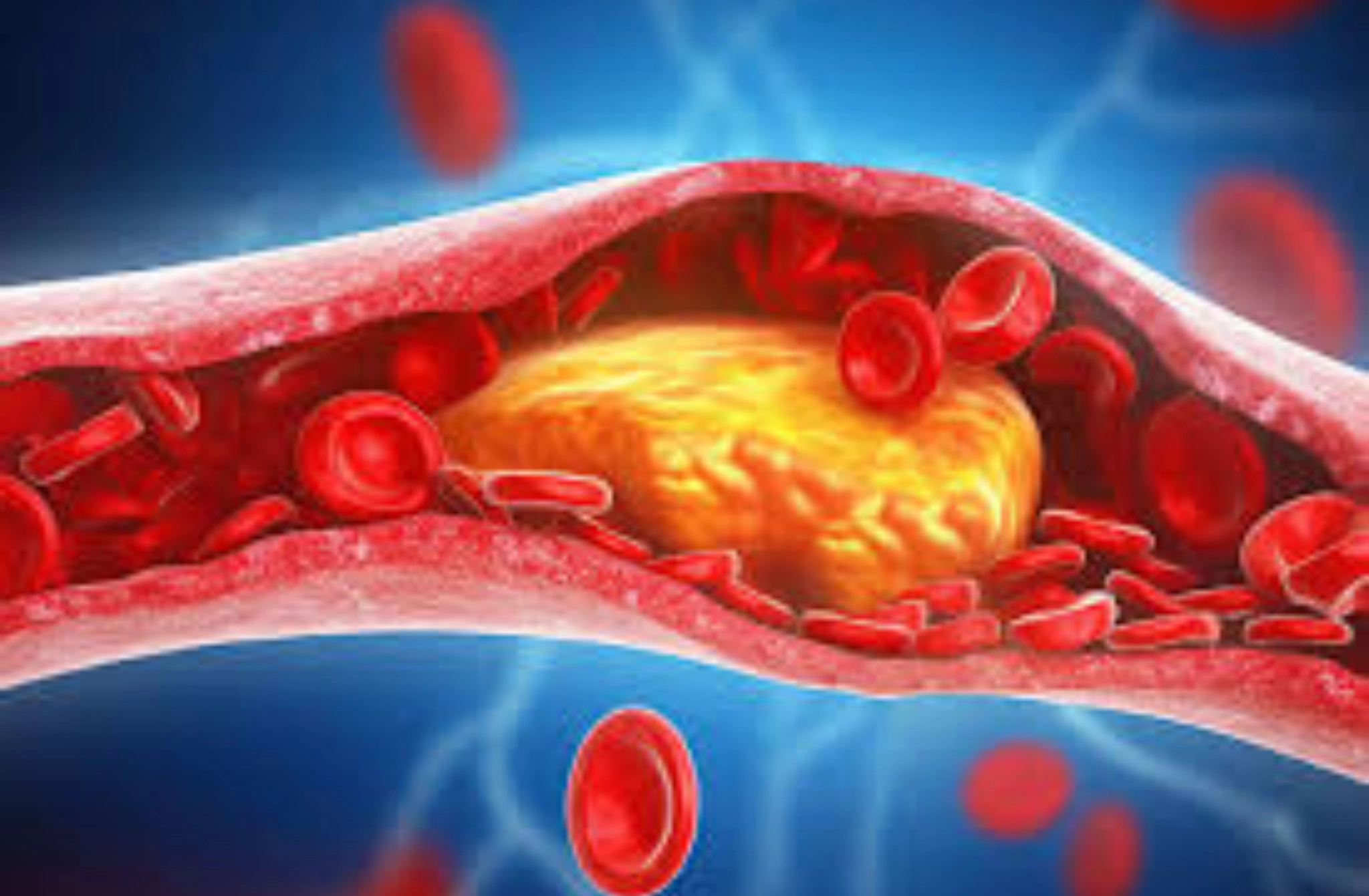
Cholesterol is a waxy substance found in your blood that plays a vital role in building cells and producing certain hormones. While your body needs some cholesterol to function properly, too much can lead to serious health issues.
LDL (Bad Cholesterol): Can build up in your arteries, increasing the risk of heart disease.
HDL (Good Cholesterol): Helps remove excess cholesterol from the bloodstream, protecting your heart.
Recommended Levels:
- Total cholesterol: below 200 mg/dL
- LDL: under 100 mg/dL
- HDL: above 40 mg/dL for men, 50 mg/dL for women
Causes and Risk Factors of High Cholesterol
High cholesterol can develop due to a combination of lifestyle, diet, and genetic factors. Being aware of these causes can help you take proactive steps to manage your cholesterol naturally.
- Poor Diet: Consuming foods high in saturated fats, trans fats, and processed foods can raise LDL levels.
- Sedentary Lifestyle & Obesity: Lack of physical activity and excess body weight contribute to higher cholesterol.
- Genetics & Family History: Some people inherit genes that make them more prone to high cholesterol.
- Other Factors: Age, smoking, and excessive alcohol intake can further increase risk.
Fortunately, home remedies, combined with healthy lifestyle changes, can play a significant role in managing cholesterol. Simple steps like improving diet, exercising regularly, and using natural remedies can help maintain a healthier balance and reduce the risk of heart disease.
How Can I Lower Cholesterol with Diet?
Wondering how I can lower cholesterol with diet? The foods you eat play a crucial role in managing cholesterol naturally. By making mindful dietary choices, you can reduce LDL (bad cholesterol) and support heart health without relying solely on medication. Small, consistent changes in your daily meals can have a big impact over time.
Here are some effective dietary strategies:
- Reduce Saturated Fats: Limit butter, fatty meats, and full-fat dairy. Swap for lean meats or plant-based oils.
- Avoid Trans Fats: Steer clear of processed and fried foods that raise LDL levels.
- Increase Soluble Fiber: Include oats, barley, beans, and lentils to help lower cholesterol absorption.
- Incorporate Plant Sterols & Stanols: Found in fortified foods like certain margarines and yogurts, these help block cholesterol absorption.
Simple swaps can make a difference: choose avocado instead of butter on toast, snack on nuts instead of chips, and replace white rice with whole grains. By focusing on heart-healthy foods and minimizing harmful fats, you can naturally maintain better cholesterol levels and support overall wellness.
Cholesterol-Busting Foods
Adding cholesterol-busting foods to your diet can naturally lower LDL (bad cholesterol) and support heart health. Here are the top choices:
- Oats & Whole Grains: High in soluble fiber to reduce cholesterol absorption.
- Fatty Fish (Salmon, Mackerel): Rich in omega-3s to lower triglycerides and boost HDL.
- Nuts (Almonds, Walnuts): Provide healthy fats and plant sterols to reduce LDL.
- Olive Oil: Replaces saturated fats and supports better cholesterol balance.
- Fruits (Apples, Berries, Citrus): Packed with fiber and antioxidants for heart protection.
- Vegetables (Spinach, Broccoli): Help maintain healthy cholesterol levels with fiber and nutrients.
Simple swaps like oatmeal for breakfast, nuts as snacks, olive oil in cooking, and fatty fish weekly can make a big difference in maintaining healthy cholesterol naturally.
Natural Remedies for High Cholesterol
Natural remedies like garlic, green tea, flaxseed, and turmeric can help lower LDL (bad cholesterol) and support heart health. Garlic reduces LDL, green tea blocks cholesterol absorption, flaxseed provides fiber and omega-3s, and turmeric helps reduce inflammation.
Incorporating them is simple: add garlic to meals, drink green tea, sprinkle flaxseed on yogurt, or use turmeric in cooking. These remedies work best alongside diet and lifestyle changes, but it’s important to know the pros and cons of natural remedies before relying solely on them.
Prevent heart problems before they start – Schedule a preventive checkup
Contact UsPros and Cons of Natural Remedies
Natural remedies for high cholesterol can be helpful, but it’s important to understand both their benefits and limitations. Here’s a quick overview:
| Pros | Cons |
| Minimal side effects | Slower results compared to medications |
| Cost-effective | Not a substitute for medical treatment |
| Easily accessible | Possible interactions with other medications |
Lifestyle Changes to Lower Cholesterol
Making simple lifestyle changes can have a significant impact on your cholesterol levels and overall heart health. Along with diet and natural remedies, adopting healthy habits helps reduce LDL (bad cholesterol) and improve HDL (good cholesterol).
- Regular Exercise: Engage in cardio like walking, jogging, or cycling, and add strength training to improve heart health and reduce cholesterol.
- Weight Management: Maintaining a healthy weight lowers LDL and triglycerides while boosting HDL.
- Reducing Alcohol Intake: Limiting alcohol helps prevent elevated cholesterol and triglyceride levels.
- Quitting Smoking: Smoking cessation improves HDL levels and reduces the risk of heart disease.
- Stress Management: Practices like yoga, meditation, or deep breathing reduce stress, which can indirectly affect cholesterol levels.
By consistently integrating these lifestyle changes into your routine, you can naturally manage cholesterol and protect your heart over the long term.
Tips for Maintaining Healthy Cholesterol Long-Term
Maintaining healthy cholesterol levels requires a consistent approach rather than quick fixes. Combining a balanced diet, lifestyle changes, and natural remedies is the most effective strategy.
- Regular Monitoring: Check cholesterol levels periodically to track progress and adjust habits as needed.
- Consistency is Key: Healthy habits work best when maintained over time rather than through short-term efforts.
- Balanced Approach: Focus on a mix of diet, exercise, stress management, and natural remedies for sustainable results.
With these steps, you can keep your cholesterol in check and support long-term heart health.
Bottom Line
Managing cholesterol naturally is a safe and effective way to support heart health and reduce the risk of cardiovascular disease. By combining a heart-healthy diet, consistent lifestyle changes, and natural remedies, you can gradually lower LDL (bad cholesterol) and boost HDL (good cholesterol).
The key is consistency—small, sustainable changes over time are far more effective than quick fixes or extreme measures. Remember, natural approaches work best when paired with regular monitoring and guidance from your healthcare provider, ensuring you maintain optimal cholesterol levels while promoting overall wellness.
FAQs
Q1. Can home remedies replace medication?
Ans: They can help, but not alwaysas a full replacement. Follow your doctor’s advice.
Q2. How long to see results from diet changes?
Ans: Usually 4–12 weeks with consistent healthy eating.
Q3. Any side effects of natural remedies?
Ans: Mostly safe, but some (like garlic or flaxseed) may interact with medications.
Q4. Can children or teens have high cholesterol?
Ans: Yes, due to genetics or poor diet, early interventions help prevent heart problems.
Q5. How often should cholesterol be checked?
Ans: Every 4–6 years for most adults; more often if you have risk factors.