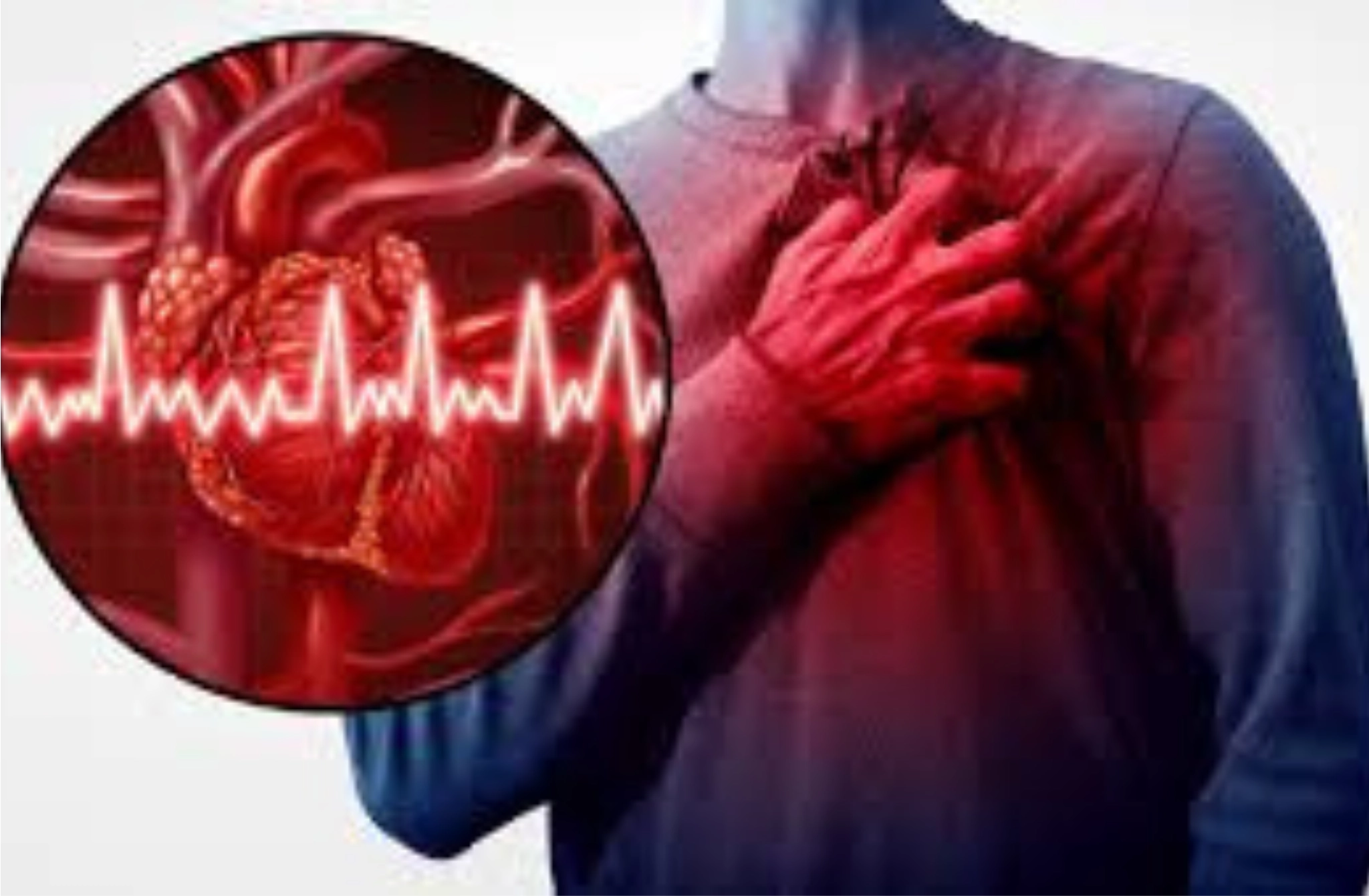
Diastolic heart failure occurs when the left ventricle of the heart becomes rigid and loses its ability to fully relax between heartbeats. This rigidity restricts how much blood the chamber can hold, reducing the volume pumped to the body with each beat. Although diastolic heart failure cannot be reversed, a well-structured treatment plan allows most people to lead active, fulfilling lives.
What is diastolic heart failure?
Diastolic heart failure, medically referred to as heart failure with preserved ejection fraction (HFpEF), develops when the heart’s primary pumping chamber, the left ventricle, loses its natural elasticity and becomes abnormally stiff. Because the chamber walls cannot fully expand, blood volume at the end of each fill cycle is reduced, limiting the amount of oxygen-rich blood available to the rest of the body.
This condition represents one-half of the left-sided heart failure spectrum. The counterpart, systolic heart failure, is characterized instead by a weakening of the ventricle’s squeezing force rather than its flexibility.
What does the left ventricle do?
The human heart is organized into four chambers: two receiving chambers at the top (the right and left atria) and two pumping chambers below (the right and left ventricles). The right ventricle sends blood on a short journey to the lungs to collect oxygen. The left ventricle then receives this oxygenated blood and drives it out through the aorta to reach every organ and tissue in your body. Because of this critical role, the left ventricle has the thickest, most muscular walls of all four chambers.
What is the difference between diastolic and systolic?
Every time your heart contracts, it expels blood into the arterial network known as the circulatory system. The pressure created during that contraction is called systolic pressure. In the brief pause that follows while the heart refills, the residual pressure remaining in the arteries is the diastolic pressure. These two measurements are reported together as your blood pressure reading:
- The upper value represents systolic blood pressure.
- The lower value represents diastolic blood pressure.
How does diastolic heart failure affect my body?
When the left ventricle stiffens, a cascade of problems follows:
- The chamber cannot fully unwind between beats.
- It accepts a smaller quantity of blood during each fill cycle.
- Less blood is ultimately delivered to the body’s tissues and organs.
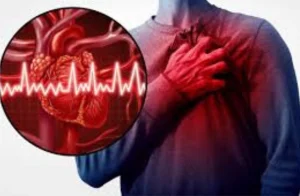
These changes translate into recognizable symptoms. You may feel persistently short of breath or overwhelmingly tired, even after adequate rest. Breathing difficulties often worsen when you recline at night. Fluid may also accumulate in the abdomen or lower limbs, causing visible swelling known as edema. Without proper management, these symptoms tend to intensify over time.
Causes
A variety of underlying health conditions can stiffen the left ventricle over time. Common contributors include:
- Atrial fibrillation (AFib).
- Coronary artery disease.
- Diabetes.
- High blood pressure (hypertension).
- Obstructive sleep apnea (OSA).
- Obesity.
- Chronic kidney disease.
- Amyloidosis or other infiltrative heart diseases.
Symptoms
Diastolic heart failure produces many of the same warning signs seen across other forms of heart failure. You may notice one or more of the following:
- Persistent coughing or audible wheezing.
- Lightheadedness or dizziness.
- Edema (fluid-related swelling), particularly in the legs, ankles, feet, or abdomen.
- Profound fatigue that does not improve with rest.
- Unusually frequent urination, especially at night.
- Breathlessness when lying flat or during even mild physical activity.
- A noticeable drop in how much exercise or exertion you can handle.
Risk Factors
While diastolic heart failure can affect anyone, certain groups carry a significantly elevated risk. Understanding where you fall on this spectrum helps you and your provider take early, targeted action.
Age
The likelihood of developing diastolic heart failure rises sharply with advancing age. The heart muscle naturally loses some of its flexibility over decades, making older adults, particularly those over 65, the most commonly affected group. In fact, diastolic heart failure is the predominant form of heart failure in elderly patients.
Gender
Women are diagnosed with diastolic heart failure more frequently than men. Hormonal changes associated with menopause, combined with a greater predisposition to hypertension in later life, are believed to contribute to this disparity.
Existing health conditions
Certain long-term conditions directly accelerate the stiffening of heart muscle tissue. People living with any of the following face a meaningfully higher risk:
- Uncontrolled or poorly managed high blood pressure is the single most important modifiable risk factor.
- Type 2 diabetes, which promotes inflammation and fibrosis within cardiac tissue.
- Obesity, particularly excess weight carried around the abdomen.
- Chronic kidney disease, which disrupts fluid balance and pressurizes the cardiovascular system.
- Obstructive sleep apnea, which repeatedly stresses the heart during overnight breathing interruptions.
Stages of Diastolic Heart Failure
Heart failure is classified into four stages by the American Heart Association and American College of Cardiology (AHA/ACC). These stages reflect how the disease evolves over time and guide treatment decisions at each phase.
- Stage A: At Risk
You have identifiable risk factors (such as hypertension, diabetes, or obesity) but no structural heart changes and no symptoms yet. This is the ideal stage for aggressive prevention; addressing risk factors at this point can prevent the disease from ever progressing further.
- Stage B: Pre-Heart Failure
Structural changes in the heart have begun; for example, the left ventricle is measurably stiffer than normal, but you have not yet experienced any symptoms. Many people remain unaware that they have reached this stage without a cardiac screening. Treatment at Stage B focuses on halting or slowing further deterioration.
- Stage C: Symptomatic Heart Failure
This is the stage most commonly associated with a clinical diagnosis. Structural heart changes are present, and you are experiencing recognizable symptoms such as breathlessness, fatigue, and swelling. Most treatment protocols, including medications and lifestyle changes, are designed to manage patients at Stage C effectively.
- Stage D: Advanced Heart Failure
Symptoms are severe, persistent, and not adequately controlled despite maximum standard therapy. Stage D requires advanced management strategies, which may include specialized heart failure clinics, palliative care planning, or, in select cases, evaluation for surgical interventions. Reaching this stage underscores the importance of early, consistent management in earlier stages.
Diagnosis and Tests
Your healthcare provider will begin the diagnostic process with a detailed conversation about your current symptoms and any family history of heart conditions. A hands-on physical examination follows, during which your provider will listen to your heart and lungs with a stethoscope to detect any unusual sounds or rhythms.
To confirm a diagnosis, one or more of the following tests may be ordered:
- Chest X-ray: generates detailed images of the heart and surrounding lung structures.
- Electrocardiogram (EKG): captures the electrical signals that coordinate each heartbeat.
- Echocardiogram: uses ultrasound waves to produce a real-time picture of how the heart muscle and valves are functioning.
- Exercise stress test : monitors how your heart behaves when its workload is intentionally elevated, either through physical activity or medication.
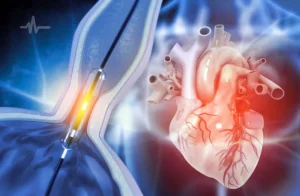
- Cardiac catheterization: A slender, flexible tube is carefully guided through a blood vessel to directly measure the pressures and blood flow inside your heart.
How is diastolic heart failure treated?
Treatment typically begins with targeted lifestyle adjustments. Building and sustaining healthy daily habits supports cardiovascular function and can meaningfully reduce the burden on a stiffened heart. Your provider may recommend the following:
- Reaching and maintaining a body weight that is considered healthy for your frame.
- Following a low-sodium eating plan designed to protect heart health.
- Actively managing elevated blood pressure through diet, exercise, and medication.
- Using a CPAP device nightly if you have been diagnosed with sleep apnea.
- Commit to at least 30 minutes of moderate physical activity on most days.
- Eliminating tobacco use in all forms, consult your provider for cessation support if needed.
Compassion Care
- Understand Condition: Learn how diastolic heart failure works, recognize triggers, medications, and warning signs. Attend appointments when possible.
- Support Daily: Help with low-sodium meals, gentle exercise, medication organization, and monitor daily weight.
- Watch Signs: Look for sudden weight gain, worsening swelling, breathlessness, or confusion, and contact the doctor promptly.
- Self-Care: Avoid burnout by prioritizing your own health, seeking support, and discussing challenges with professionals.
Prevention
While no strategy can guarantee complete prevention, adopting a heart-friendly lifestyle significantly lowers your chances of developing this condition. These same habits also reduce the risk of many other cardiovascular problems, making them worthwhile investments at any age.
Practical steps to reduce your risk include:
- Building meals around foods that are known to benefit heart health.
- Making physical activity a regular, non-negotiable part of your weekly routine.
- Keeping alcohol consumption to a minimum and avoiding all tobacco products.
- Staying on top of chronic conditions, particularly diabetes, high blood pressure, and elevated cholesterol, through appropriate medical care and monitoring.
Conclusion
Diastolic heart failure is a complex yet manageable condition that underscores the importance of early awareness, consistent care, and long-term lifestyle commitment. While the stiffening of the left ventricle cannot be reversed, understanding how the condition develops and recognizing its symptoms early can significantly slow its progression and improve quality of life.
With the right combination of medical guidance, healthy habits, and proactive management of underlying conditions such as hypertension and diabetes, many individuals can continue to live active and fulfilling lives. Ultimately, the key lies in prevention, timely diagnosis, and a personalized treatment approach that supports both heart function and overall well-being.
FAQs
Q1. Is diastolic heart failure the same as congestive heart failure?
Ans: No, CHF is a broad condition involving fluid buildup, while diastolic heart failure specifically involves a stiff heart muscle.
They are related but not interchangeable terms.
Q2. Can young people get diastolic heart failure?
Ans: Yes, although it’s more common in older adults, younger people with risk factors can develop it. Conditions like hypertension, obesity, or amyloidosis increase the risk early on.
Q3. What is a “normal” ejection fraction in diastolic heart failure?
Ans: Ejection fraction is usually normal (50% or higher) in this condition.
The issue lies in poor heart relaxation and filling, not pumping strength.
Q4. Can exercise make diastolic heart failure worse?
Ans: No, when done properly, exercise actually improves symptoms and heart function.
A gradual, supervised approach is key for safety and benefits.
Q5. Is diastolic heart failure hereditary?
Ans: The condition itself isn’t directly inherited. But related risk factors like hypertension and diabetes can run in families.