A heart murmur is an unusual sound that doctors detect when blood flows turbulently through the heart. While heart murmurs are common, especially in children, one of the most common questions is, “Can you feel a heart murmur?”
This blog will explore whether it’s possible to feel a heart murmur in various areas of the body, such as your pulse, chest, throat, or neck. We will also discuss the symptoms of heart murmurs and when to seek medical attention.
What is a Heart Murmur?
A heart murmur is an extra or unusual sound heard during the heartbeat cycle. These sounds can be heard with a stethoscope and are caused by turbulent blood flow in the heart.
Types of Heart Murmurs
There are two main types of heart murmurs:
- Innocent murmurs: These are harmless and often occur in children or during pregnancy.
- Abnormal murmurs: These may be linked to heart conditions such as valve problems or congenital defects.
Can You Feel a Heart Murmur?
The short answer is no, you typically cannot feel a heart murmur directly. Heart murmurs are usually audible sounds rather than palpable sensations. However, murmurs may be associated with other conditions that can cause physical sensations in your body, such as chest discomfort or pulsations.
Can You Feel a Heart Murmur in Your Pulse?
A heart murmur doesn’t usually affect the pulse directly. A murmur is an audible sound caused by turbulent blood flow, not a sensation you can feel in your pulse. However, other heart conditions, such as arrhythmias (irregular heartbeats), may cause changes that you can feel in your pulse.
| Key Point | Can You Feel It? |
| Heart Murmur | No, it’s not felt in the pulse. |
| Arrhythmias | Yes, you may feel irregularities in your pulse. |
Can You Feel a Heart Murmur in Your Chest?
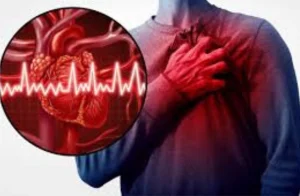
While heart murmurs themselves cannot typically be felt in the chest, some people might experience chest discomfort if the murmur is linked to an underlying heart condition, such as valve problems or heart enlargement. For example, a severe murmur caused by valve issues may cause palpitations that you can feel in your chest.
Can You Feel a Heart Murmur With Your Hand?
While a heart murmur itself isn’t something you can directly feel with your hand, in some cases, doctors may feel a vibration known as a heart thrill during a physical exam. This vibration occurs when the blood flow is turbulent, often due to severe heart conditions like valve problems.
Heart thrill is different from a murmur because it is a physical sensation (a vibration), while a heart murmur is an audible sound. The thrill is caused by the force of blood flowing through narrowed or damaged heart valves, and it’s something that doctors can feel by placing their hands on the chest.
It’s important to note that while a murmur is heard, a thrill can be felt, but only under certain conditions, and it’s usually a sign of more serious heart issues.
Prevent heart problems before they start – Schedule a preventive checkup
Contact UsCan You Feel a Heart Murmur in Your Throat?
A heart murmur itself is not felt in the throat. However, heart palpitations, which are often associated with abnormal heart rhythms, may give the sensation of something being felt in the throat. Palpitations are the feeling of a rapid or irregular heartbeat, and while they’re not the same as a murmur, they can cause a similar sensation.
Can You Feel a Heart Murmur in Your Neck?
While a heart murmur itself isn’t felt in the neck, some people experience pulsations in their neck due to increased blood flow or heart valve issues. This is particularly noticeable when there’s an underlying problem with heart valves or blood vessels. Although these sensations can mimic the feeling of a murmur, they are typically linked to other conditions, such as arterial pulsations.
| Location | Can You Feel It? |
| Heart Murmur | No, it’s not typically felt in the neck. |
| Neck Pulsations | Yes, it may occur with certain heart conditions. |
Symptoms of Heart Murmurs
While heart murmurs themselves may not be felt, they can be accompanied by other symptoms. These symptoms can vary depending on whether the murmur is innocent or linked to a more serious heart condition.
Common Symptoms:
- Shortness of breath: Difficulty breathing, especially with physical exertion.
- Chest pain: A feeling of tightness or discomfort in the chest.
- Dizziness or fainting: Caused by reduced blood flow.
- Swelling in legs or feet: Often a sign of heart failure or valve problems.
- Cyanosis (bluish lips or skin): Indicates poor oxygenation in the blood.
When to Seek Medical Attention
If you experience any of the following symptoms, it is important to consult a healthcare provider:
- Severe shortness of breath
- Chest pain or tightness
- Dizziness, light-headedness, or fainting
- Swelling in your legs, ankles, or feet
- Sudden, irregular heartbeat or palpitations
If these symptoms occur, immediate medical attention is necessary, especially if they are sudden or severe.
Conclusion
While heart murmurs are usually not directly felt, understanding their symptoms and when they may be linked to other heart conditions can help you recognize potential health concerns. If you have concerns about a heart murmur or experience any associated symptoms, it is always advisable to consult a healthcare provider for a thorough evaluation.