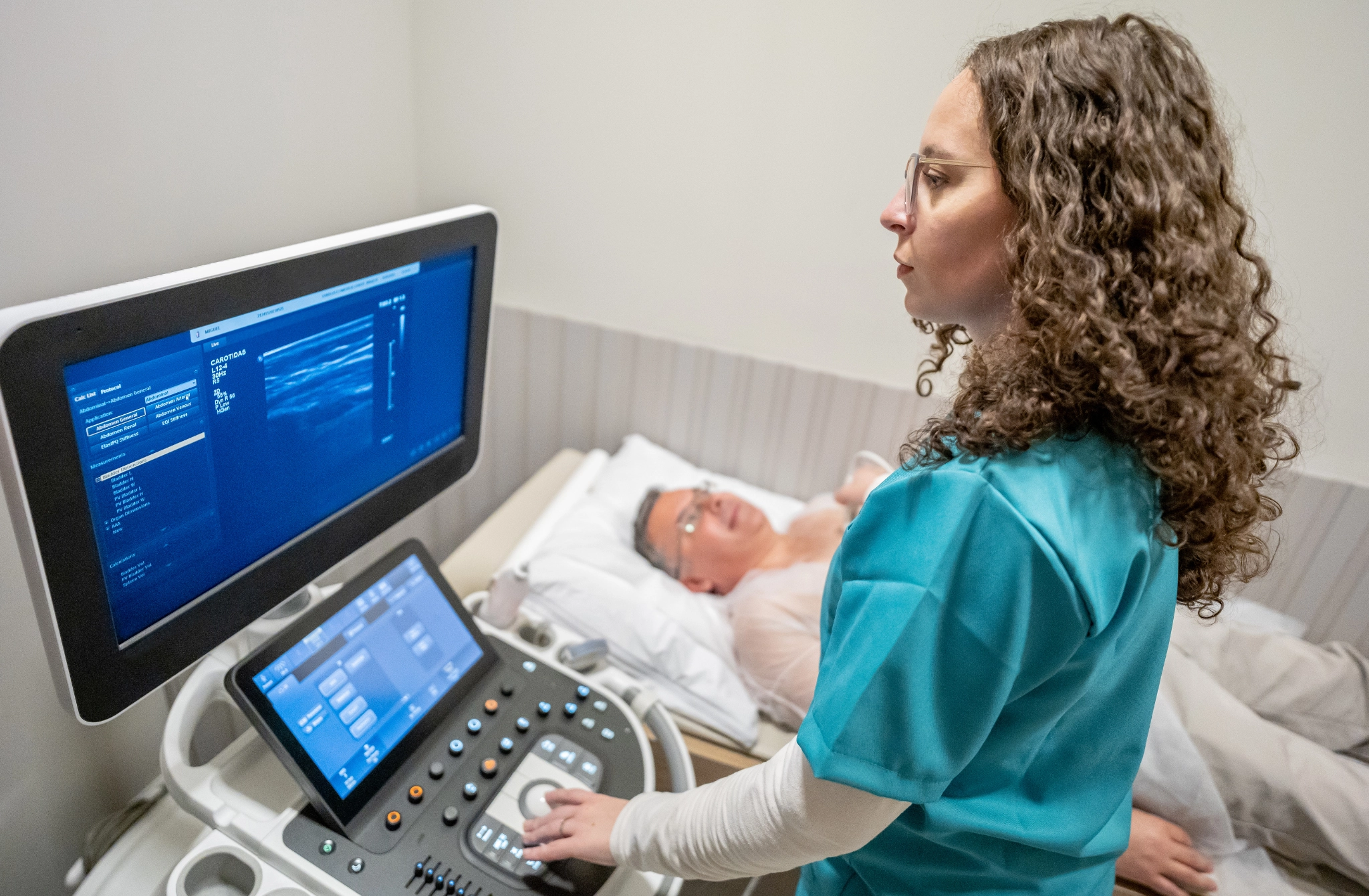
Echocardiograms are safe, non‑invasive ultrasound tests that help cardiologists evaluate your heart’s structure and function. A common question many patients ask is: “Can I eat before my echocardiogram?” Understanding when you should or shouldn’t eat can help ensure accurate results and a smooth testing experience.
Understanding Your Echocardiogram
An echocardiogram (echo) uses sound waves to produce detailed images of your heart. It is often ordered to check heart valve function, measure heart chambers, and assess cardiac performance.
There are different types of echocardiograms:
- Transthoracic Echocardiogram (TTE) – Most common, non‑invasive.
- Transesophageal Echocardiogram (TEE) – Uses a probe down the throat; requires sedation.
- Stress Echocardiogram – Combines ultrasound with physical or pharmacologic stress.
Because the preparation varies by type, eating instructions are different too.
Can You Eat Before a Standard Echo (TTE)?
Yes, for a standard transthoracic echocardiogram, you can usually eat and drink normally before the test. This type of echo does not require fasting because food does not interfere with the ultrasound images taken from the outside of your chest.
Key Points:
- Eat your regular meals before the appointment.
- Take prescribed medications unless your cardiologist instructs otherwise.
- Avoid applying lotions or oils on your chest (gel needs skin contact).
When Fasting Might Be Required
While most echoes do not require fasting, certain echo procedures may have specific dietary instructions:
1. Transesophageal Echocardiogram (TEE)
- You will likely be asked not to eat or drink anything for several hours before the test.
- This is to reduce the risk of vomiting and aspiration (inhaling food into the lungs) during sedation.
2. Stress Echocardiogram
- You may be advised to avoid eating a heavy meal for a few hours beforehand.
- Some centers recommend no food or drinks (other than water) for about 4 hours before the test so you can exercise comfortably and safely during the stress portion.
3. Other Special Echo Tests
- If contrast agents or additional imaging techniques are used, your care team will give specific instructions. Always follow their guidance.
Prevent heart problems before they start – Schedule a preventive checkup
Contact UsWhat About Drinks and Stimulants?
Even if you can eat normally:
- Water is usually fine before most echocardiograms.
- Caffeine (coffee, tea, energy drinks) and nicotine can increase your heart rate and might affect stress echo results. Your clinic may recommend avoiding these before the appointment.
Tips for a Smooth Echo Appointment
- Wear comfortable, loose‑fitting clothes.
- Bring a list of medications you take.
- Arrive 10–15 minutes early.
- Discuss any dietary restrictions with your cardiology team ahead of time.
Key Takeaway
For most echocardiogram tests (especially standard TTE), you can eat before the appointment. However, fasting may be required for procedures involving sedation (like TEE) or stress testing. Always follow the instructions provided by your cardiologist at Atlantic Cardiovascular for the best experience and most accurate results.