High cholesterol is a common yet often overlooked health concern that can silently affect your heart, blood vessels, and overall well-being. While many associate cholesterol only with heart disease, its effects can extend to daily energy levels and overall vitality.
Understanding what high cholesterol is and how it impacts the body is crucial for proactive health management.Not all cholesterol is harmful; our bodies need it for essential functions like hormone production and cell repair.
However, an imbalance, particularly high levels of LDL (bad cholesterol), can lead to serious complications. By learning about cholesterol and its effects on energy, you can take steps to protect your health and prevent long-term fatigue.
What is High Cholesterol?
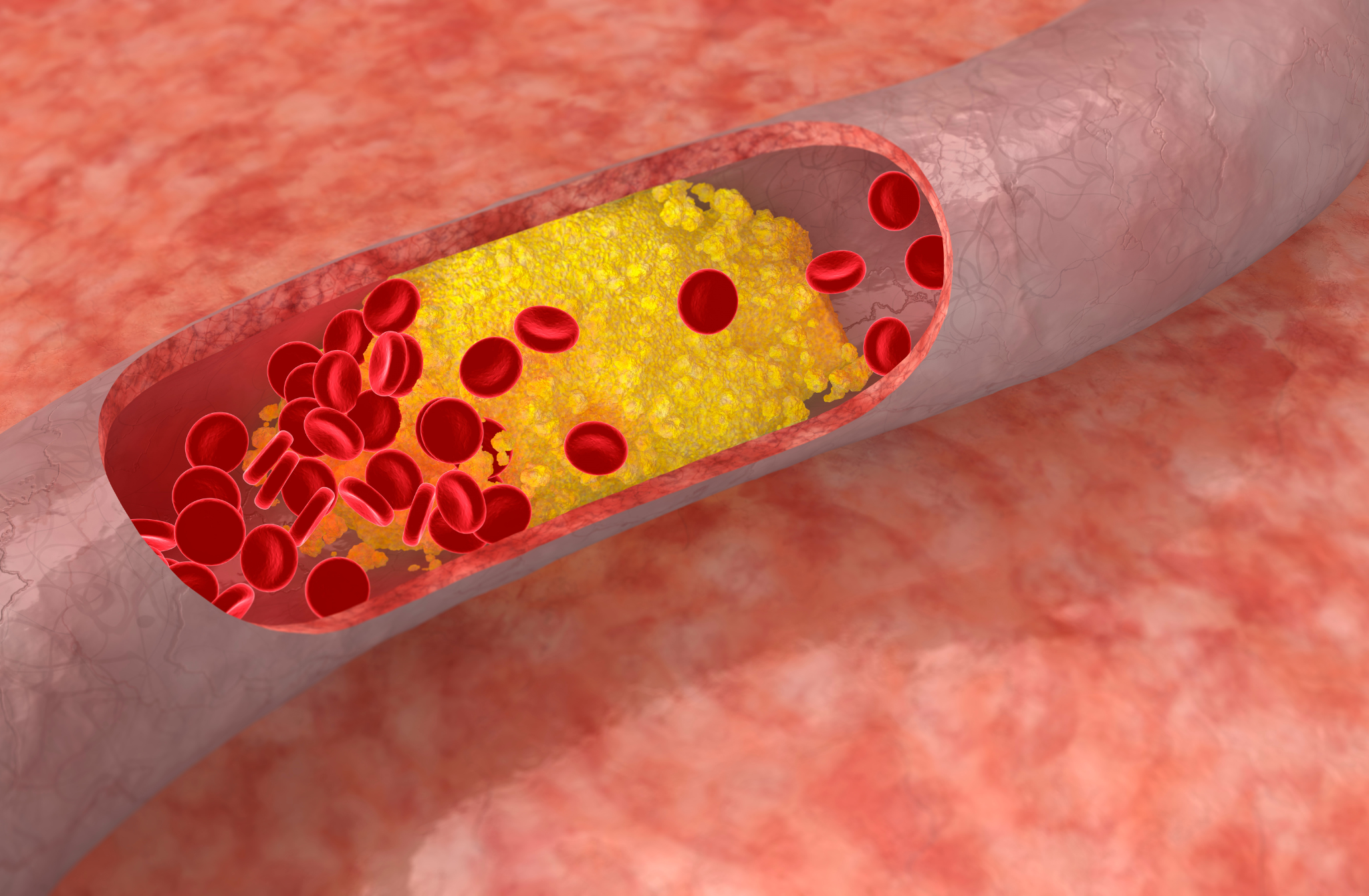
High cholesterol occurs when there’s an excess of fatty substances, called lipids, in your blood. While cholesterol is essential for building cells and producing hormones, too much can lead to plaque buildup in your arteries, increasing the risk of heart disease and other health issues.
Cholesterol comes in two main types:
1. LDL (low-density lipoprotein), often called “bad” cholesterol
2. HDL (high-density lipoprotein), known as “good” cholesterol.
LDL contributes to artery blockages, while HDL helps remove excess cholesterol from the bloodstream, maintaining a healthy balance. Understanding this difference is key to managing your cholesterol effectively.
Types of High Cholesterol
LDL (Low-Density Lipoprotein) – “Bad” Cholesterol
- Contributes to plaque buildup in arteries.
- High levels increase the risk of heart disease and stroke.
- Common causes: poor diet, lack of exercise, genetics.
HDL (High-Density Lipoprotein) – “Good” Cholesterol
- Helps remove excess cholesterol from the bloodstream.
- Protects arteries and supports heart health.
- Boosted by regular exercise, healthy fats, and a balanced diet.
Triglycerides
- A type of fat in the blood that stores unused calories.
- High levels can raise the risk of heart disease and fatty liver.
- Common causes: obesity, excessive alcohol, high sugar intake, and a sedentary lifestyle.
Signs You Shouldn’t Ignore
High cholesterol is often called a “silent condition” because many people don’t experience obvious symptoms until serious problems develop. However, paying attention to early warning signs can help you take action before complications arise.
Early indicators of high cholesterol may include:
- Fatigue and low energy, feeling unusually tired even after rest.
- Chest discomfort or shortness of breath may occur during physical activity.
- Numbness or tingling in extremities caused by reduced blood flow.
- High blood pressure or unexpected weight gain is often linked to underlying cholesterol issues.
Subtle symptoms that often go unnoticed:
- Yellowish deposits around the eyes (xanthelasma): Tiny cholesterol-rich lumps.
- Pain or cramping in the legs, especially while walking, cis aused by narrowed arteries.
- Memory lapses or brain fog: Reduced circulation can affect cognitive function.
Recognizing these signs early gives you the chance to make lifestyle changes or seek medical guidance before high cholesterol leads to more serious complications.
Can High Cholesterol Lead to Long-Term Fatigue?
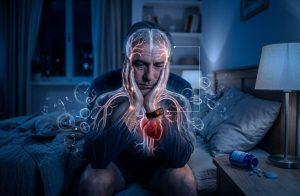
No, High cholesterol itself doesn’t usually cause permanent fatigue, but it can contribute to long-term low energy if left unmanaged. Excess LDL can restrict blood flow, making the heart work harder and reducing oxygen delivery to muscles and organs, which often leads to persistent tiredness.
While some believe fatigue will last forever, the reality is that lifestyle changes, proper diet, and medical treatment can restore energy levels and reduce the impact of high cholesterol on daily life.
How Fatigue Is Linked with High Cholesterol
Fatigue linked to high cholesterol stems from how excess LDL (“bad”) cholesterol affects your body at a physiological level. When LDL builds up in your arteries, it forms plaques that narrow the blood vessels, restricting blood flow.
This means your heart has to work harder to pump oxygen-rich blood to muscles and organs, which can leave you feeling consistently tired and sluggish. Reduced circulation also impacts energy production at the cellular level.
When cells don’t get enough oxygen and nutrients, they can’t generate energy efficiently, leading to low stamina, brain fog, and overall lethargy.
Over time, if cholesterol remains unchecked, this strain on your heart and circulatory system can contribute to more serious complications, further amplifying fatigue.
Symptoms of High Cholesterol
Physical signs you may notice:
- Chest pain or angina often occurs during physical exertion.
- Shortness of breath due to reduced blood flow and heart strain.
- Pain or cramping in the legs, especially while walking, is caused by narrowed arteries.
- Swelling in the feet or ankles can indicate circulation issues.
Silent symptoms that often go unnoticed:
- Fatigue and low energy: Feeling tired even after rest.
- Memory lapses or brain fog. Reduced circulation affects cognitive function.
- Yellowish deposits around the eyes (xanthelasma). Tiny cholesterol-rich lumps that may appear on eyelids.
- High blood pressure is often an indirect sign of underlying cholesterol issues.
Complications of High Cholesterol
High cholesterol can lead to serious health issues like heart disease, stroke, and peripheral artery disease due to plaque buildup in the arteries. Persistent fatigue may be an early warning, as reduced blood flow limits oxygen and nutrients to the body, leaving you feeling constantly tired. Recognizing these signs early can help prevent more severe complications.
Prevention
- Eat a balanced diet: Include fruits, vegetables, whole grains, and healthy fats while limiting processed foods and sugar.
- Exercise regularly: Physical activity helps lower LDL (“bad” cholesterol) and raise HDL (“good” cholesterol).
- Maintain a healthy weight: Supports overall heart health and energy levels.
- Quit smoking: Reduces cardiovascular risks and improves circulation.
- Limit alcohol intake: Helps prevent cholesterol spikes and supports liver health.
- Manage stress: Techniques like meditation, yoga, or deep breathing can positively impact cholesterol and energy.
- Consistency matters: Small, daily habits add up to long-term protection for your heart and vitality
Lifestyle Changes That Boost Energy Levels
Simple lifestyle changes can improve both cholesterol and energy. Focus on nutrition that supports heart health, regular physical activity to boost circulation, and stress management techniques like meditation or yoga.
Adequate sleep and hydration also play a key role. These habits not only reduce LDL cholesterol but also enhance energy production at the cellular level, helping you feel more alert and active throughout the day.
Prevent heart problems before they start – Schedule a preventive checkup
Contact UsMedical Treatments and Interventions
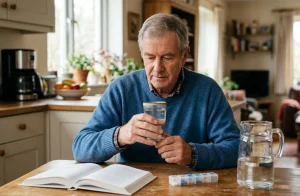
When lifestyle changes aren’t enough, doctors may prescribe medications like statins to lower LDL cholesterol and protect heart health. Other options include bile acid sequestrants or cholesterol absorption inhibitors. Treatment depends on your cholesterol levels, overall health, and risk factors, making regular check-ups essential.
Key Points:
- Statins: Lower LDL (“bad”) cholesterol and reduce cardiovascular risk.
- Other medications: Bile acid sequestrants and cholesterol absorption inhibitors as alternative treatments.
Personalized care: Treatment plans are based on cholesterol levels, health status, and risk factors. - Regular check-ups: Essential for monitoring progress and adjusting treatment as needed.
Bottom Line
High cholesterol is often silent but can significantly impact heart health and energy levels. Recognizing early signs like fatigue, making lifestyle changes, and seeking medical advice when needed are key to prevention.
Proactive management, including diet, exercise, regular screenings, and treatment if necessary, helps protect your heart, sustain energy, and prevent serious complications.
FAQs
Q1. Can high cholesterol go away naturally?
Ans: Small lifestyle changes can help, but persistent high cholesterol often needs medical treatment.
Q2.Is fatigue always linked to high cholesterol?
Ans: No, fatigue can have many causes, though high cholesterol may contribute.
Q3.How often should I test my cholesterol?
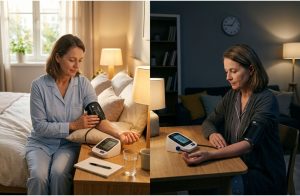
Ans: Every 4–6 years for most adults; more often if at higher risk.
Q4.What foods help lower cholesterol?
Ans: Fiber-rich foods, healthy fats, fruits, vegetables, and fatty fish can help.
Q5.Can exercise improve cholesterol?
Ans: Yes, regular exercise raises HDL and lowers LDL cholesterol.
Q6.Are medications needed for everyone with high cholesterol?
Ans: No, medications are recommended if lifestyle changes aren’t enough or the risk is high.
Q7.Can children have high cholesterol?
Ans: Yes, genetics and lifestyle can cause high cholesterol in children.
Q8.Can stress affect cholesterol levels?Ans: Yes, chronic stress can raise cholesterol and impact heart health.