Heart palpitations can feel alarming, making your heart seem to race, flutter, pound, or skip beats. These sensations are extremely common and, in most cases, completely harmless. Many people experience them occasionally due to everyday triggers like stress or caffeine. This guide explains how to stop heart palpitations using proven, safe techniques while helping you understand common causes and when to seek professional care.
What Are Heart Palpitations?
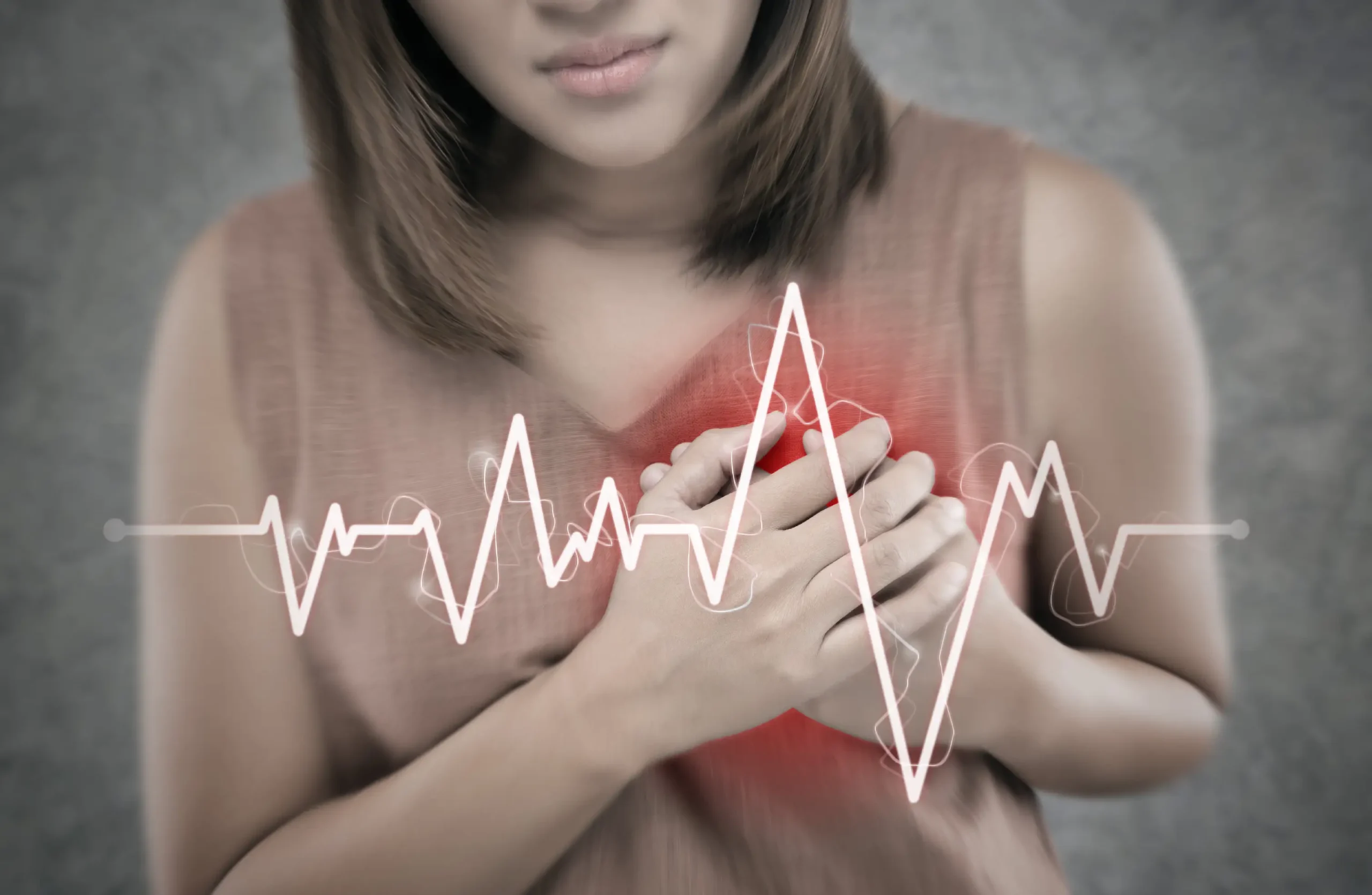
Heart palpitations occur when you become aware of your heartbeat in an unusual way. You might feel fluttering in your chest, throat, or neck. Episodes typically last seconds to minutes and can happen during activity, rest, or sleep. While they often feel intense, most do not indicate a serious heart problem.
Common Causes of Heart Palpitations
Every day, factors trigger most cases. Stress and anxiety rank among the top causes, releasing adrenaline that speeds up the heart. Caffeine, nicotine, alcohol, and certain medications act as stimulants. Dehydration or low levels of potassium, magnesium, or calcium disrupt normal rhythm.
Hormonal shifts during pregnancy or menopause also play a role. Heavy meals, low blood sugar, anemia, and an overactive thyroid contribute in some individuals.
Why Do I Get Heart Palpitations When Lying Down?
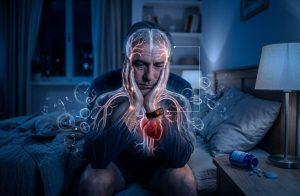
Many notice stronger sensations at bedtime or when reclining. A quieter setting reduces distractions, making subtle beats more obvious. Lying flat increases blood return to the heart, slightly stretching its chambers.
The heart rests closer to the chest wall on the left side, amplifying awareness. Acid reflux or minor extra beats become more apparent in stillness. These nighttime episodes rarely signal serious problems.
What Causes Heart Palpitations After Eating?
Food-related episodes often begin shortly after meals. Large portions divert blood to digestion, raising heart rate temporarily. High-carbohydrate, sugary, fatty, or salty foods spike insulin or cause bloating.
Caffeine, chocolate, spicy dishes, and alcohol stimulate the system. Gas pressure or acid reflux can irritate the vagus nerve. Eating slowly and choosing smaller portions helps prevent these occurrences.
Home Remedies to Stop Heart Palpitations
Most palpitations resolve quickly with simple, at-home techniques. Try these evidence-based methods for immediate relief:
Perform Vagal Maneuvers
These stimulate the vagus nerve to slow the heart rate. Try the Valsalva technique: pinch your nostrils, close your mouth, and bear down gently for 10–15 seconds. Coughing forcefully or splashing cold water on the face works similarly. Always consult a doctor before attempting these if you have heart concerns.
Practice Deep Breathing
Controlled breathing calms the nervous system. Inhale slowly for 4 seconds, hold for 7, and exhale for 8. Focus on expanding the belly rather than the chest. Repeat until the sensation eases.
Stay Hydrated
Dehydration thickens blood and strains the heart. Sip room-temperature water slowly during an episode. Aim for consistent hydration throughout the day.
Restore Electrolyte Balance
Low potassium or magnesium can trigger palpitations. Include natural sources like bananas, avocados, spinach, nuts, and yogurt in your diet. Avoid supplements unless advised by a doctor.
Long-Term Strategies to Prevent Heart Palpitations
Preventing episodes is often easier than stopping them once they start. Adopt these habits:
- Limit or avoid caffeine, alcohol, nicotine, and recreational drugs
- Eat smaller, balanced meals and chew slowly
- Exercise regularly (moderate cardio strengthens the heart)
- Maintain a consistent sleep schedule
- Manage anxiety through therapy or stress-reduction practices
- Stay upright for 30–60 minutes after meals
- Sleep on your right side or with your head slightly elevated
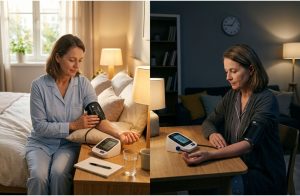
Keeping a symptom journal helps identify personal triggers and patterns.
Prevent heart problems before they start – Schedule a preventive checkup
Contact UsWhen Medical Treatment Is Needed for Heart Palpitations
Most cases require no formal treatment. Seek evaluation if episodes become frequent, prolonged, or increasingly intense. Accompanying chest pain, shortness of breath, dizziness, fainting, or confusion demands immediate attention.
Emergency care is essential for severe symptoms. Doctors may order ECGs, blood tests, Holter monitoring, or echocardiograms to identify underlying issues like arrhythmias or thyroid problems. Treatment options range from medication adjustments to specialized procedures when necessary.
Final Thoughts
Heart palpitations are rarely dangerous and often improve dramatically with simple lifestyle changes and relaxation techniques. By identifying your triggers and using the strategies outlined above, most people can reduce or eliminate episodes.
Disclaimer: This information is based on general medical guidance and should not replace personalized medical care. If you have concerns about your heart health, please consult a qualified healthcare professional promptly.