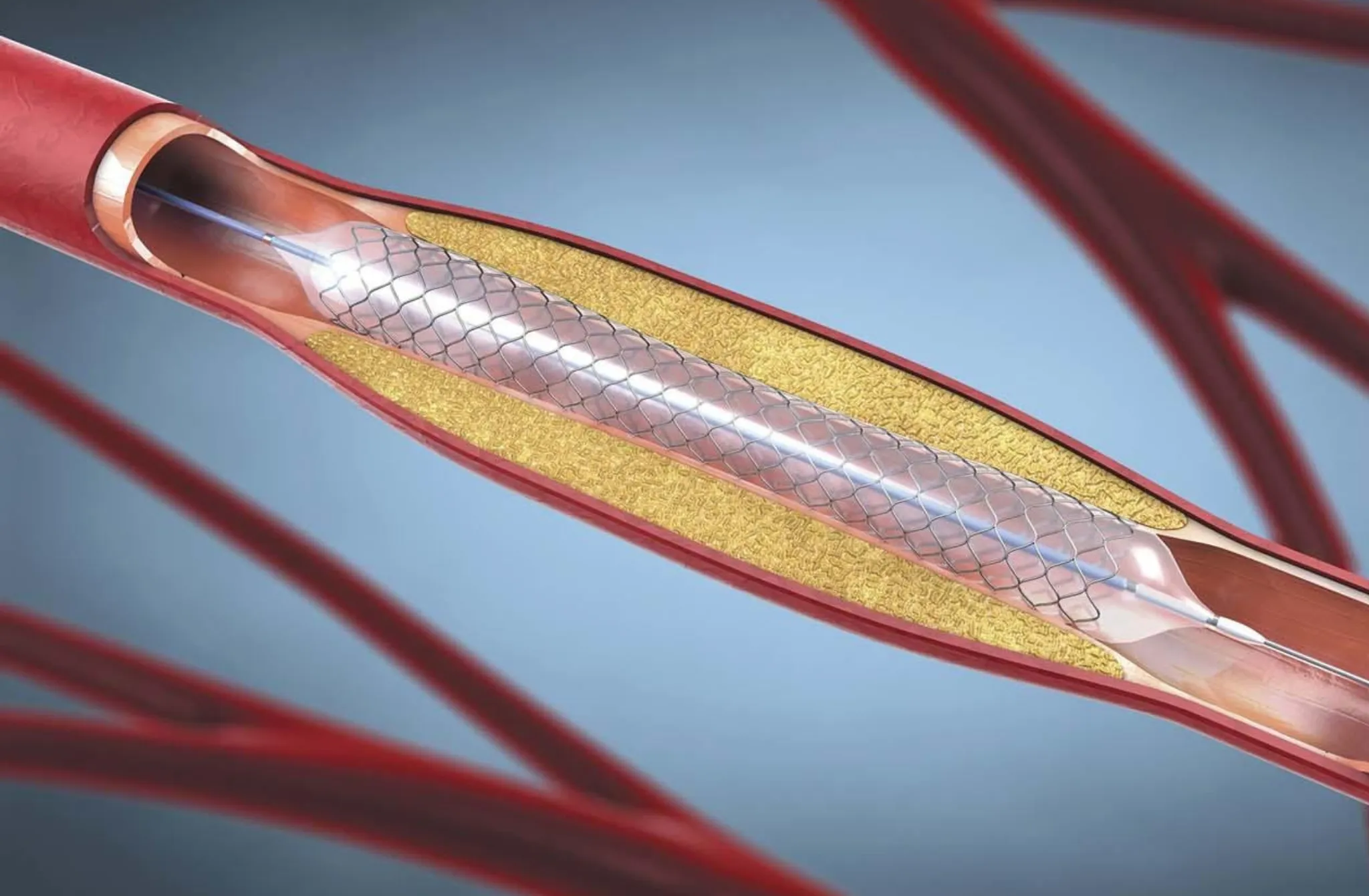
Coronary artery disease (CAD) is a serious condition where the arteries supplying blood to the heart become narrowed or blocked. To treat CAD and prevent further complications, procedures like angioplasty and stent placement are commonly used. However, many people are unsure about the differences between these two treatments and whether they are the same. In this blog, we’ll explore what angioplasty and stenting are, how they differ, and what you can expect before, during, and after these procedures.
Both angioplasty and stenting play a crucial role in restoring blood flow to the heart, improving the quality of life, and reducing the risk of heart attacks. But are they the same? Let’s break down the key differences and similarities.
What is Angioplasty?
Angioplasty, also known as percutaneous coronary intervention (PCI), is a procedure used to open blocked or narrowed arteries in the heart. This helps to restore blood flow and relieve symptoms of coronary artery disease.
Procedure:
The angioplasty procedure involves threading a catheter through a small incision in the groin or wrist and guiding it to the blocked area of the artery. Once the catheter reaches the blockage, a balloon attached to the catheter is inflated. The balloon presses the plaque against the artery wall, widening the artery and allowing blood to flow freely again.
What is a Stent?
A stent is a small, mesh-like tube made of metal or polymer that is inserted into an artery to keep it open after angioplasty. It acts like a scaffold to support the artery and prevent it from closing again.
How it Works:
Once angioplasty is performed and the artery is widened, a stent is often placed in the artery to hold it open. The stent is usually inserted using the same catheter used for angioplasty. Over time, the artery heals around the stent, and the device remains in place to ensure continuous blood flow.
Are Angioplasty and Stents the Same?
The Key Difference:
While angioplasty and stenting are closely related, they are not the same procedure. Angioplasty refers to the process of using a balloon to open a blocked artery, while stenting refers to the placement of a stent to keep the artery open after angioplasty.
Angioplasty:
Angioplasty is the first step, involving the use of a balloon to widen the blocked artery and restore blood flow.
Stent:
A stent is often placed after angioplasty to prevent the artery from narrowing again. The stent acts as a support structure that helps maintain the artery’s openness.
Why Both May Be Needed:
In many cases, stenting is performed immediately after angioplasty to reduce the risk of restenosis (re-narrowing of the artery). Angioplasty alone may not be enough to keep the artery open long-term
Prevent heart problems before they start – Schedule a preventive checkup
Contact UsDifference Between Angioplasty and Stent Replacement
Angioplasty vs. Stent Replacement:
- Angioplasty is performed to widen the artery by inflating a balloon, whereas stent replacement involves removing an old or malfunctioning stent and replacing it with a new one.
- When Stent Replacement is Needed:
Stent replacement may be required if the stent becomes blocked, migrates, or if restenosis occurs (the artery narrows again). In some cases, a stent may become ineffective or require replacement due to complications like stent thrombosis.
What Happens During Angioplasty?
The Procedure:
1. The patient is typically awake during the procedure, with local anesthesia applied to numb the area where the catheter will be inserted.
2. A catheter is inserted into an artery (usually in the groin or wrist) and guided to the blocked area in the coronary artery.
3. A balloon attached to the catheter is inflated at the site of the blockage, which compresses the plaque against the artery walls and widens the artery.
4. Sometimes, a stent is placed to keep the artery open after the balloon is deflated and removed.
What Happens After Angioplasty?
Immediate Aftercare:
- After the procedure, the patient is moved to a recovery room, where vital signs are monitored.
- It is common to experience minor bruising or discomfort at the catheter insertion site, but these symptoms usually subside within a few hours.
Recovery Process:
- Most patients are advised to stay in the hospital for a day or two.
- Follow-up visits will be scheduled to monitor the success of the procedure.
- Medications, such as blood thinners, may be prescribed to prevent clot formation around the treated area.
How Do I Prepare for
Angioplasty
Pre-procedure Instructions:
- Fasting for 6-8 hours before the procedure is usually required.
- A thorough review of the patient’s medical history and necessary blood tests to assess overall health.
- The doctor may ask the patient to temporarily stop taking certain medications, especially blood thinners, before the procedure.
Stent Replacement
Pre-procedure Instructions:
- Similar to angioplasty preparation, but additional imaging tests may be required to evaluate the current stent’s condition.
- Adjustments to medications may be needed, especially if blood thinners are being used.
Problems After Each Procedure
Angioplasty Complications:
- Possible complications include blood clots, artery damage, bleeding at the insertion site, or allergic reactions to contrast dye.
- Restenosis (narrowing of the artery again) can also occur, especially if a stent is not placed.
Stent Replacement Complications:
- Issues such as stent thrombosis (clot formation), displacement, or infection can occur.
- The risk of restenosis remains even after stent replacement.
How Successful is Angioplasty and Stenting?
Success Rates:
- Both angioplasty and stenting are highly effective in opening blocked arteries and restoring blood flow. The success rates are typically between 85-95%, depending on the patient’s health condition and the complexity of the blockage
- Lifestyle changes, such as a healthy diet and regular exercise, significantly affect long-term outcomes.
What Are the Benefits of Coronary Angioplasty and Stents?
- Improved Blood Flow: Both procedures restore blood flow to the heart muscle, reducing symptoms like chest pain and fatigue.
- Symptom Relief: Patients often experience relief from chest pain (angina) and shortness of breath after the procedures.
- Prevention of Heart Attacks: These procedures reduce the risk of heart attacks by keeping the coronary arteries open.
- Minimal Invasiveness: Compared to open-heart surgery, angioplasty and stent placement are minimally invasive, with shorter recovery times.
Prevent heart problems before they start – Schedule a preventive checkup
Contact UsWhat Are the Risks of Coronary Angioplasty and Stents?
Risks of Angioplasty:
- Risks include bleeding, infection, allergic reactions to contrast dye, and damage to the artery.
- In rare cases, a heart attack or stroke may occur during the procedure.
Risks of Stenting:
- Risks associated with stents include stent thrombosis (clotting), migration, infection, and restenosis.
- Patients may need to take lifelong medications, such as blood thinners, to prevent clot formation around the stent.
Recovery Time
Angioplasty Recovery:
- Most patients can return to light activities within a week, but strenuous exercises should be avoided for 2-4 weeks.
- Full recovery can take 4-6 weeks, depending on the patient’s health.
Stent Replacement Recovery:
- The recovery time for stent replacement is similar to angioplasty, but additional follow-up visits are necessary to ensure proper function of the new stent.
- Long-term management includes lifestyle changes and regular check-ups.
What to Avoid After Each Procedure?
After Angioplasty:
- Avoid heavy lifting, vigorous exercise, and smoking.
- Limit high-fat and high-cholesterol foods to maintain heart health.
- Follow prescribed medications, especially blood thinners, to prevent clots.
After Stent Replacement:
- Avoid physical strain and ensure proper care of the catheter insertion site.
- Be cautious with medications to avoid complications.
- Regular follow-up visits are essential to monitor stent health.
Bottom Line
Angioplasty and stent placement are often mentioned together, but they serve distinct roles in the treatment of coronary artery disease. Angioplasty is the procedure used to physically widen blocked or narrowed arteries, often by inflating a balloon to restore blood flow. However, this alone may not be enough to maintain long-term patency. This is where stents come into play. A stent is a small, mesh-like device placed within the artery to ensure it remains open after angioplasty, reducing the risk of the artery narrowing again.
Both angioplasty and stent placement are highly effective treatments for improving blood flow to the heart, alleviating symptoms like chest pain, and preventing heart attacks. However, the success of these procedures goes beyond just the surgery itself. Proper preparation before the procedure, a focused recovery period, and long-term lifestyle changes, including healthy eating and regular exercise, are all essential for the best possible outcomes. With these steps, patients can significantly improve their heart health and minimize the risk of future cardiovascular events.