Cardiovascular health is a critical aspect of overall well-being, and routine testing is essential for early detection and prevention of heart disease. One of the key diagnostic tools used by cardiologists to assess heart health is the nuclear stress test. This procedure helps doctors evaluate how well your heart is functioning under stress, allowing for a better understanding of potential heart issues like blockages, heart attacks, or reduced blood flow. If you’re considering or have been advised to undergo this test, you may have several questions regarding its safety, potential risks, and what to expect.
In this blog, we’ll explore key aspects of nuclear stress tests, including their purpose, possible side effects, and how they help diagnose heart conditions. Let’s dive into everything you need to know.
Cardiovascular Health
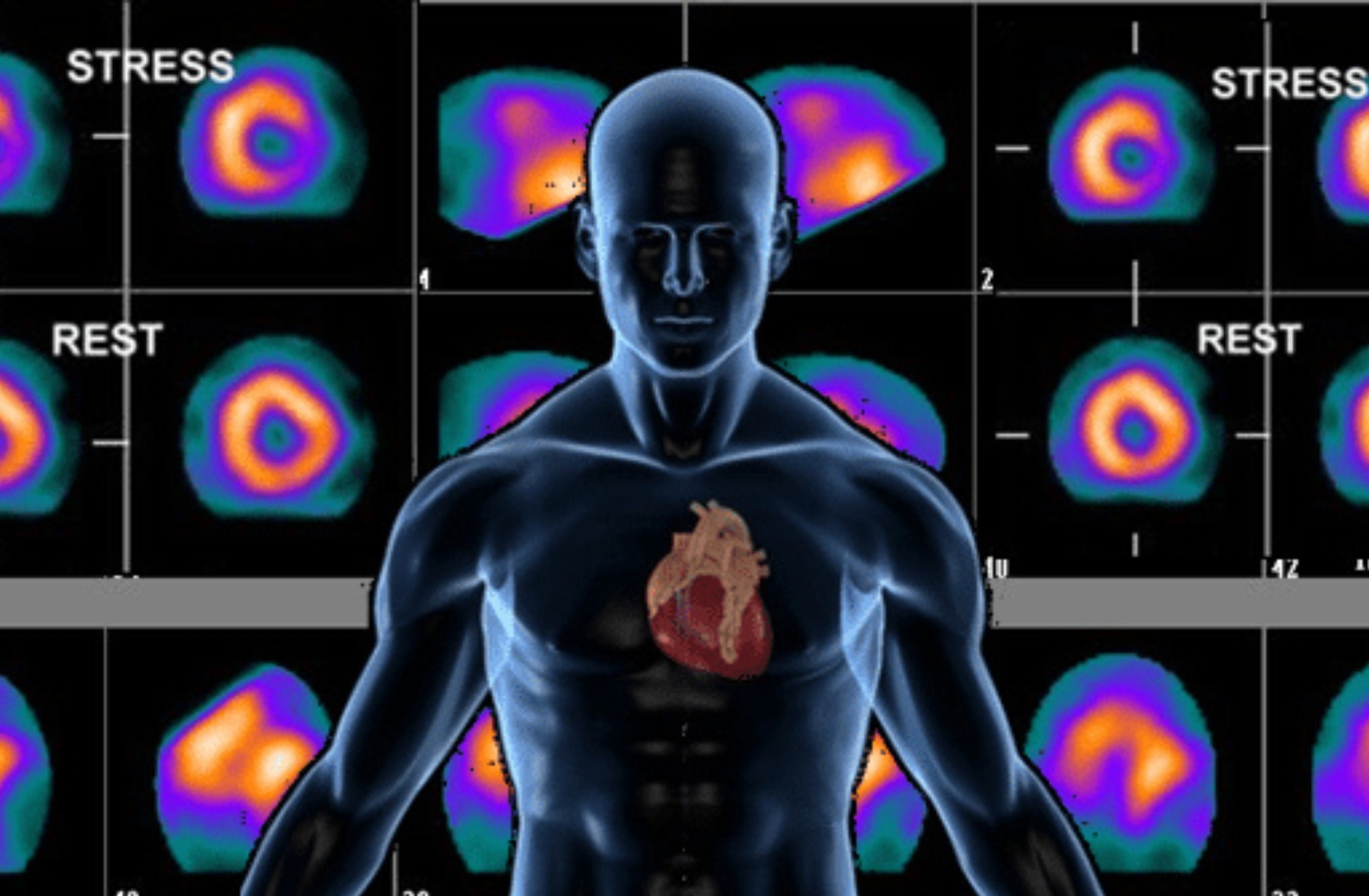
A nuclear stress test, also known as a myocardial perfusion imaging test, is used to evaluate the blood flow to your heart. It combines a stress test with nuclear imaging techniques to provide clear pictures of the heart’s blood supply both at rest and during exertion.
Common Reasons for Undergoing the Test
Patients are often referred for a nuclear stress test when they show symptoms like chest pain, shortness of breath, or fatigue, which may indicate heart problems. It is also used to evaluate the effectiveness of heart treatments or to check on heart function after a heart attack or surgery.
Purpose of a Nuclear Stress Test
The purpose of the test is to diagnose various heart-related issues, including:
- Coronary artery disease
- Blockages in the heart’s blood vessels
- Heart attack damage
- Abnormal heart rhythms
Can a Nuclear Stress Test Cause Chest Pain?
Understanding the Test Process
During a nuclear stress test, patients typically perform a stress-inducing activity, such as walking on a treadmill or riding a stationary bike, while being monitored. If physical activity is not possible, a medication is administered to simulate the effects of exercise on the heart. As the heart works harder, images are captured to observe blood flow.
How the Test Works and What to Expect
While undergoing the test, you may experience discomfort as your heart works harder to pump blood. This is a normal part of the process, but it can sometimes lead to mild chest pain or pressure.
The Likelihood of Chest Pain During or After the Test
Chest pain during the test is not uncommon, but it is typically temporary. For most individuals, the chest pain will subside once the test is complete and the heart returns to its resting state.
Possible Reasons for Chest Pain
Several factors can contribute to chest pain during a nuclear stress test, including:
- Pressure from exercise: Physical exertion can lead to temporary discomfort, especially if you’re not accustomed to strenuous activity.
- Stress or medication: Stress or injected medications designed to simulate exercise can trigger mild chest pain in some individuals.
How Chest Pain is Different from a Heart Attack or Serious Concern
It’s important to understand that the chest pain experienced during a nuclear stress test is typically not a sign of a heart attack. The test is carefully monitored by medical professionals to ensure any pain is managed promptly and safely.
When to Seek Medical Attention
While chest pain is common, if it persists or becomes severe, you should notify the medical staff immediately. This is important, as it may indicate underlying issues that need to be addressed.
Can a Nuclear Stress Test Cause Heart Problems?
Potential Risks of the Procedure
The nuclear stress test is generally considered safe for most people, but like any medical procedure, there are risks involved. The most significant potential risk is related to radiation exposure, although the levels used in nuclear stress tests are very low and carefully monitored.
Radiation Exposure and Its Effects on the Heart
The radiation used in a nuclear stress test is minimal, and the test is designed to have minimal impact on the body. The benefits of detecting heart issues early far outweigh the potential risks of radiation exposure.
The Safety of Nuclear Stress Tests for Most Individuals
For the vast majority of people, nuclear stress tests are safe and do not cause heart problems. However, individuals with certain conditions, such as pregnancy or kidney disease, may need special consideration before undergoing the test.
Who is at Risk?
Certain individuals, such as those with severe heart disease, may need to undergo the test with more caution. Doctors will carefully assess each patient’s health status before recommending the procedure.
Underlying Conditions That Could Affect the Test Outcome
Conditions like diabetes, high blood pressure, and obesity can affect how the heart responds during the test, and these factors may influence the results. Your doctor will take these into account when interpreting the test results.
Can a Nuclear Stress Test Show if You Had a Heart Attack?
How a Nuclear Stress Test Detects Heart Issues
A nuclear stress test provides doctors with valuable information about blood flow in the heart muscle, helping them detect if there has been any previous damage. The test can reveal areas where the heart muscle may not be receiving enough oxygen-rich blood, a common sign of a heart attack.
The Role of Imaging and Stress Testing in Revealing Past Heart Attacks
The imaging techniques used in the nuclear stress test can highlight areas of the heart that may have been damaged by a previous heart attack. By evaluating how blood flows to these areas during stress, doctors can assess the extent of damage and determine the best course of action.
Understanding the Results
The test provides images of the heart at rest and under stress, helping doctors determine if there is any reduced blood flow caused by blockages or scarring from previous heart attacks. These results help doctors assess the long-term risk of heart disease.
The Significance of Detecting Old Heart Attacks in Risk Assessment
By identifying past heart attacks, the nuclear stress test provides critical information about the health of your heart. This information can influence future treatment decisions, lifestyle changes, and ongoing monitoring.
Prevent heart problems before they start – Schedule a preventive checkup
Contact UsCan a Nuclear Stress Test Damage Your Heart?
Safety Protocols and Monitoring
Nuclear stress tests are performed in highly controlled settings with continuous monitoring. Doctors and technicians carefully observe your heart rate, blood pressure, and other vital signs throughout the procedure, ensuring your safety at all times.
How the Procedure is Monitored to Prevent Heart Damage
If any concerning symptoms arise during the test, such as severe chest pain or abnormal changes in heart rate, the procedure can be stopped immediately. The test is carefully designed to minimize risks.
Understanding the Risk of Damage
The likelihood of a nuclear stress test causing heart damage is extremely low. In fact, the test is designed to be a safe and effective way of diagnosing heart conditions.
Are Nuclear Stress Tests Harmful to the Heart?
For most people, nuclear stress tests are not harmful to the heart. The test provides valuable insights into heart function without causing any lasting damage.
Radioactive After a Nuclear Stress Test: What to Expect
Radiation and Its Effects
After the test, a small amount of radioactive material remains in the body for a short period of time. The radiation exposure is minimal, and any residual radioactivity is eliminated through normal bodily functions.
How Long Radiation Stays in the Body
The radioactive material used in a nuclear stress test does not stay in the body for long. It typically clears from the system within hours to a couple of days, depending on the type of tracer used.
Safety After the Test
Although the radiation exposure is minimal, it’s recommended to take precautions to avoid prolonged close contact with pregnant women and young children for a brief period after the test.
Can Food Be Unhealthy After a Nuclear Stress Test?
What to Eat Before and After the Test
Before the test, you will be asked to avoid food and drink for several hours, as this ensures an accurate reading during the stress portion of the test. Afterward, focus on heart-healthy foods like fruits, vegetables, whole grains, lean proteins, and healthy fats to support cardiovascular health.
Unhealthy Foods to Avoid
After the test, avoid foods high in sodium, sugar, and saturated fats, as they can contribute to heart disease and interfere with recovery. A poor diet can negate the benefits of the test and complicate heart health management.
How Unhealthy Eating Post-Test Could Impact Heart Health
Eating unhealthy foods after the test can contribute to weight gain, increased cholesterol, and high blood pressure, all of which negatively affect heart health. Adopting healthy eating habits is essential for long-term cardiovascular health.
What Are the Disadvantages of a Nuclear Stress Test?
Possible Drawbacks to Consider
- Radiation Exposure: The test involves low radiation, but prolonged exposure may slightly increase cancer risk over time. The benefits generally outweigh the risks.
- Discomfort and Inconvenience: The test can cause mild discomfort from physical exertion or medications and can be time-consuming (2-4 hours).
Who Should Get a Nuclear Stress Test?
Indications for the Test
The test is recommended for those with suspected heart disease, unexplained chest pain, or a history of heart attack or surgery. It’s also used to monitor ongoing heart treatment.
Risk Factors for Heart Disease
It’s especially useful for people with high blood pressure, diabetes, smoking habits, or a family history of heart disease.
Alternative Tests
For those unsuitable for a nuclear stress test, alternatives like treadmill stress tests or echocardiography may be used.
Post-Test Care and Monitoring
What Happens After the Test?
Post-test care involves resting and hydrating. Follow-up visits may be required based on results.
Common Questions and Concerns
Patients can usually resume normal activities, but any symptoms like chest pain should be reported immediately. Side effects typically resolve within a few hours.
Common Misconceptions About Nuclear Stress Tests
Debunking Myths
“The test is dangerous because of radiation.”The radiation is minimal and safe for most people.
“It’s extremely painful”: Most patients experience mild discomfort, not severe pain.
Education to Address Patient Fears
Understanding the procedure and its safety measures can help alleviate any anxiety.
The Role of Nuclear Stress Testing in Preventive Care
Using Nuclear Stress Tests for Early Detection
Nuclear stress tests help detect heart problems early, even in asymptomatic patients, especially those at high risk for cardiovascular disease.
The Benefits of Early Diagnosis
Early detection leads to better treatment, lifestyle changes, and improved heart health outcomes, reducing the risk of major heart events.
Prevent heart problems before they start – Schedule a preventive checkup
Contact UsHow Long Do Side Effects of a Nuclear Stress Test Last?
Typical Side Effects
Mild dizziness or fatigue may occur, and the radiation clears from the body within hours to a couple of days.
Duration of Side Effects
Side effects are temporary and should subside quickly. Contact your doctor if symptoms persist.
Bottom Line
Nuclear stress tests are an essential tool in assessing heart health, providing critical information to detect cardiovascular conditions early. While the procedure is generally safe, understanding potential drawbacks and misconceptions is important for patients undergoing the test. With careful patient selection, proper monitoring, and early intervention, nuclear stress tests can significantly improve heart health outcomes. Always consult your healthcare provider to ensure the test is right for you and to address any concerns you may have.
FAQs
Q1. What is a nuclear stress test, and why is it needed?
Ans: A nuclear stress test evaluates blood flow to the heart using a small amount of radioactive material and imaging. It helps diagnose conditions like coronary artery disease, heart attacks, and abnormal heart rhythms.
Q2. Can a nuclear stress test cause chest pain?
Ans: Mild chest pain can occur during the test due to physical exertion or medication used to simulate exercise. However, this pain is typically temporary and subsides once the test is finished.
Q3. How long does a nuclear stress test take?
Ans: The procedure typically lasts between 2 to 4 hours, depending on the type of test and imaging required.
Q4. Are there any risks associated with a nuclear stress test?
Ans: The main risks are related to radiation exposure, though the dose is very low and considered safe for most people. Discomfort from the test procedure (e.g., exercise or medications) is also common but temporary.
Q5. Can a nuclear stress test detect a past heart attack?
Ans: Yes, a nuclear stress test can identify areas of the heart that were damaged during a previous heart attack, helping doctors assess blood flow and heart function.
Q6. Who should get a nuclear stress test?
Ans: A nuclear stress test is typically recommended for people with symptoms of heart disease, such as chest pain or shortness of breath, or for those with risk factors like high blood pressure, diabetes, or a family history of heart disease.
Q7. What happens after a nuclear stress test?
Ans: After the test, patients are advised to rest and hydrate. Most can resume normal activities shortly after the procedure, though any new or worsening symptoms should be reported to a doctor.
Q8. How long do side effects from the test last?
Ans: Most side effects, like dizziness or fatigue, are short-lived and should subside within a few hours. The radiation from the test clears from the body within a couple of days.
Q9. Can I eat before a nuclear stress test?
Ans: Patients are usually required to fast for several hours before the test. Specific instructions will be given by your healthcare provider regarding what you can eat or drink before the procedure.
Q10. Are there any alternatives to a nuclear stress test?
Ans: Yes, alternative tests like treadmill stress tests, echocardiograms, or CT scans can sometimes be used, depending on your specific health condition and the information needed.